Mint is one of the easiest and most rewarding herbs to grow at home. Its fresh aroma, bright green leaves, and refreshing flavor make it useful in everything from tea and lemonade to salads, chutneys, desserts, and everyday cooking. Best of all, you do not need a large garden to grow it. Mint can thrive in containers, pots, balconies, patios, windowsills, and even small outdoor spaces.
With the right amount of sunlight, moisture, suitable soil, and regular harvesting, a single healthy mint plant can provide fresh leaves for months. However, mint grows quickly and can become invasive when planted directly in garden soil. Growing it in a container is often the easiest way to keep it under control while enjoying a steady supply of fresh leaves.
This guide explains everything you need to know about growing mint at home, from choosing a variety and preparing a pot to watering, feeding, pruning, harvesting, and solving common problems.
Why Grow Mint at Home?
There are many reasons mint is a great herb for home gardeners. It is relatively easy to grow, responds well to regular harvesting, and can produce plenty of leaves from a small plant.
Freshly picked mint also has a stronger aroma and flavor than leaves that have been stored for a long time. Having a plant nearby means you can simply pick what you need whenever you are preparing a meal or drink.
Mint is also an attractive plant. Its green leaves and pleasant fragrance can add freshness to a balcony, kitchen garden, or patio. Because it grows well in containers, even people with limited gardening space can enjoy it.
Another advantage is that mint can often be propagated from cuttings. Instead of buying new plants repeatedly, you can use healthy stems to create additional plants.
Choosing the Right Mint Variety
There are several types of mint, and each has its own flavor and appearance. Spearmint is popular for cooking, drinks, chutneys, and sauces because of its mild, sweet flavor. Peppermint has a stronger, cooler taste and is commonly used in teas and desserts.
Other varieties include apple mint, chocolate mint, and pineapple mint. These varieties can have different fragrances and leaf shapes, making them interesting choices for a home herb garden.
For beginners, spearmint is an excellent choice because it is vigorous and versatile. When selecting a plant, look for healthy green leaves, strong stems, and no obvious signs of pests or disease.
Growing Mint From Seeds or Cuttings
Mint can be grown from seeds, but growing it from a cutting is often quicker and easier. Seeds may take longer to establish, while a healthy stem cutting can develop roots relatively quickly under suitable conditions.
Growing Mint From Cuttings
Choose a healthy mint stem that is several inches long. Ideally, it should have several sets of leaves and look fresh rather than weak or damaged.
Remove the lower leaves, leaving a few leaves near the top. Place the cutting in a glass of clean water, making sure the lower portion of the stem is submerged but the leaves remain above the water.
Keep the glass in a bright location away from harsh direct sunlight. Change the water regularly to keep it fresh.
After roots develop, the cutting can be planted in a container filled with suitable potting soil. Handle the new roots gently because they can be delicate.
You can also place a cutting directly into moist potting soil. Keep the soil consistently moist while the cutting develops roots.
Choosing the Right Container
A suitable container is important because mint grows quickly and produces spreading roots. Choose a pot that is reasonably wide and has drainage holes at the bottom.
A container around 8 to 12 inches wide is a practical starting point for one mint plant. Larger containers can support more growth, but avoid overcrowding several plants in a small pot.
Drainage holes are essential. If excess water cannot escape, the soil can remain saturated and increase the risk of root problems.
Terracotta, plastic, ceramic, and other containers can work well. The material is less important than proper drainage and sufficient space for the roots.
Because mint spreads vigorously, growing it in its own container is generally better than placing it alongside slower-growing herbs.
Choosing the Best Soil for Mint
Mint prefers fertile soil that holds some moisture but does not remain waterlogged. A good-quality general-purpose potting mix is usually sufficient for container-grown mint.
You can improve ordinary potting soil by adding organic matter such as well-aged compost. The goal is to create a loose growing medium that allows air and water to move around the roots.
Avoid using heavy garden soil alone in a container because it may become compacted and drain poorly.
Before planting, make sure the soil is slightly moist rather than completely dry or soaking wet.
Finding the Best Location
Mint grows well in bright conditions. Many plants perform best with several hours of sunlight each day, although mint can tolerate some partial shade.
A location receiving gentle morning sunlight can be particularly useful in hot climates. Strong afternoon heat may cause the leaves to wilt quickly, especially when the plant is growing in a small container.
If your mint receives intense sunlight, watch the leaves carefully. Wilting, scorched edges, or very dry soil can indicate that the plant needs protection from excessive heat.
For indoor growing, place mint near a bright window where it can receive plenty of natural light. If the plant becomes thin and stretched, it may need a brighter location.
How to Plant Mint
Once you have your container, soil, and mint plant ready, planting is simple.
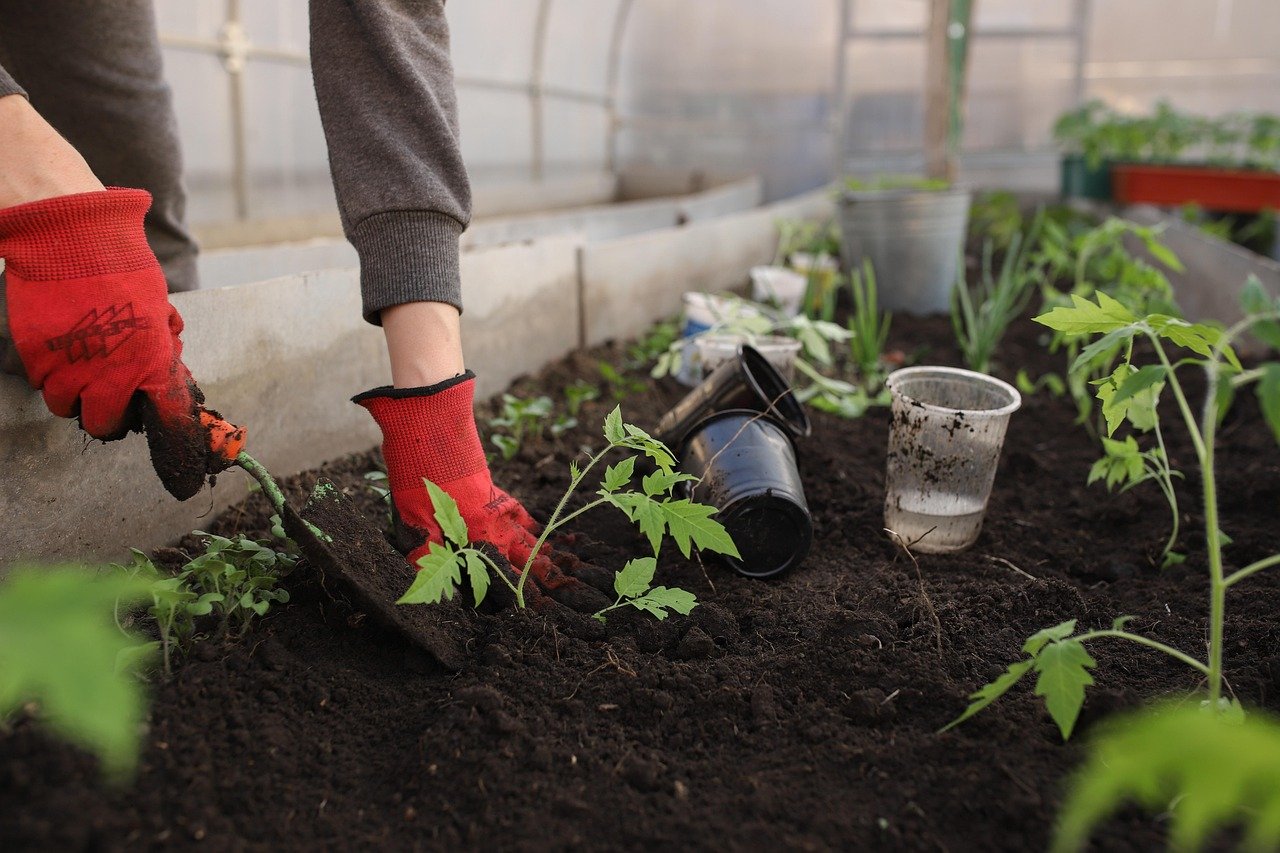
Fill the pot with your potting mix, leaving a little space below the rim. Make a hole large enough for the roots of the young plant.
Place the mint in the hole at approximately the same depth at which it was previously growing. Gently fill the space around the roots with soil and press lightly.
Water the plant thoroughly after planting. Allow excess water to drain from the bottom of the container.
For cuttings that have already developed roots, plant them carefully so the roots are covered while the leaves remain above the soil.
How Often Should You Water Mint?
Mint enjoys consistently moist soil, but that does not mean the soil should remain saturated.
Check the surface of the soil regularly. If the top layer feels dry, it is usually time to water. During hot weather, container-grown mint may need water more frequently because pots lose moisture quickly.
Water slowly around the base of the plant until some water begins to drain from the bottom of the pot. This helps moisten the root zone evenly.
Avoid watering according to a rigid schedule alone. Temperature, sunlight, pot size, soil type, and weather all influence how quickly the soil dries.
During cooler or rainy periods, the plant may require much less water.
Feeding Mint Plants
Mint generally does not require heavy feeding, particularly when it is grown in fertile soil. Too much fertilizer can encourage excessive soft growth and may reduce the quality of the plant.
A small amount of balanced organic fertilizer or compost can be useful during active growth. Follow the instructions on any commercial fertilizer product and avoid applying more than recommended.
If the leaves are healthy, green, and growing steadily, there may be little reason to add extra fertilizer.
Pruning Mint for Healthy Growth
Regular pruning is one of the best ways to keep mint compact and productive.
As the stems grow, pinch or cut the tips just above a pair of leaves. This encourages the plant to produce additional side shoots, resulting in a fuller appearance.
If mint is allowed to grow without trimming, the stems can become long and leggy. Regular harvesting naturally acts as pruning and helps maintain a bushier plant.
Remove yellow, damaged, or unhealthy leaves when you notice them. Keeping the plant tidy can also make it easier to identify pests or other problems.
When and How to Harvest Mint
You can begin harvesting mint once the plant has become established and has plenty of healthy growth.
For the best flavor, harvest young leaves and tender stems. Morning is often a good time to harvest because the plant is usually well hydrated.
Use clean scissors or garden shears to cut stems rather than pulling leaves roughly from the plant.
Do not remove all the foliage at once. Leaving plenty of healthy leaves allows the plant to continue photosynthesizing and producing new growth.
Frequent light harvesting is usually better than allowing the plant to become overgrown and then cutting it back heavily.
Preventing Mint From Taking Over
Mint is famous for spreading aggressively. In a garden bed, its underground stems can move into surrounding areas and become difficult to control.
For this reason, containers are an excellent solution.
If you grow mint in a pot, occasionally check the plant for stems that are growing over the edge. Trim them back when necessary.
If you decide to plant mint outdoors in the ground, consider using a container sunk into the soil to help restrict the roots. Regular pruning can also keep the plant manageable.
Common Mint Growing Problems
Although mint is generally easy to grow, a few problems can occur.
Yellow Leaves
Yellow leaves can have several causes. Overwatering, poor drainage, insufficient light, or nutrient problems may contribute.
First check the soil. If it remains wet for long periods, improve drainage and allow the surface to dry slightly between waterings.
Wilting Leaves
Wilting may occur when the plant does not receive enough water, particularly during hot weather.
Check the soil before watering. If it is dry, give the plant a thorough drink and move it away from extreme heat if necessary.
If the soil is already wet but the plant continues to wilt, poor drainage or root damage may be involved.
Leggy Growth
Thin, stretched stems often indicate insufficient light. Move the plant to a brighter location where it can receive more suitable sunlight.
Regularly pinching the growing tips can also encourage bushier growth.
Small or Pale Leaves
Small leaves may result from inadequate light, poor nutrition, overcrowding, or stressful growing conditions.
Make sure the plant has enough room, appropriate moisture, and adequate light. If the soil has become depleted, a small amount of suitable fertilizer may help.
Mint Pests
Mint can occasionally attract pests such as aphids, spider mites, and other small insects.
Inspect the undersides of leaves and the growing tips regularly. Early detection makes pest management much easier.
For minor infestations, gently washing the foliage with water can help remove insects. Encourage good air circulation around the plant and remove badly damaged leaves.
Avoid using strong chemical treatments unnecessarily, especially when you plan to harvest the leaves for food. If you use any pest-control product, follow its label instructions carefully and make sure it is appropriate for edible herbs.
Growing Mint Indoors
Mint can be grown successfully indoors if it receives enough light.
Choose a container with drainage holes and place it near a bright window. A sunny kitchen windowsill can be convenient, provided the temperature is suitable and the plant does not become overheated.
Indoor mint still needs regular pruning. Trim long stems and harvest leaves frequently to encourage fresh growth.
Good air circulation is also useful. Avoid placing several plants so close together that air cannot move around their foliage.
If natural light is inadequate, a suitable indoor grow light can provide additional illumination.
Growing Mint in Hot Weather
Mint can grow well in warm conditions, but extreme heat requires extra attention.
Container plants dry out faster when temperatures rise. Check the soil more frequently and provide water when needed.
During periods of intense afternoon heat, some shade can help protect the plant from excessive stress. Morning sunlight combined with afternoon protection can be a useful arrangement in very hot areas.
Mulching the soil surface with a thin layer of organic material can also help reduce moisture loss. Keep the mulch slightly away from the main stems to improve airflow.
Growing Mint During Cooler Weather
Mint is a hardy herb and can tolerate cooler conditions better than many delicate plants. Growth may slow as temperatures fall.
Reduce watering when the plant is growing slowly and the soil takes longer to dry. Avoid keeping the container constantly wet.
If you experience particularly cold conditions, move container-grown mint to a sheltered location when necessary.
Some top growth may die back in unfavorable weather, but the roots can remain alive and produce new shoots when growing conditions improve.
Propagating More Mint
Once you have a healthy mint plant, producing more plants is relatively easy.
Cut healthy stems and place them in water until roots develop. Once the roots are established, transfer the cuttings into small containers filled with moist potting mix.
You can also propagate mint by dividing an established plant. Carefully remove the plant from its container and separate sections that contain healthy roots and stems. Replant each section in its own container and water thoroughly.
Propagation is a simple way to create additional plants for your kitchen, balcony, or garden.
How to Keep Mint Productive
The secret to productive mint is consistent care rather than complicated gardening techniques.
Give the plant enough light, keep the soil moderately moist, provide good drainage, and harvest regularly.
Avoid allowing the plant to become extremely dry. At the same time, do not leave it sitting in standing water.
Pruning is especially important. When you harvest the tips regularly, the plant responds by producing new branches and leaves.
A healthy mint plant can continue producing fresh foliage throughout much of the growing season when its basic needs are met.
Using Fresh Mint From Your Garden
Fresh mint can be used in many ways around the kitchen.
Add freshly picked leaves to cold water or lemonade for a refreshing drink. Mint can also be brewed into tea, mixed into chutneys and sauces, added to salads, or used as a garnish for desserts.
You can gently rinse harvested leaves and use them immediately. If you need to store them, keep them cool and slightly moist rather than leaving them exposed to dry air.
Harvest only as much as you need whenever possible. One of the biggest benefits of growing herbs at home is having access to fresh ingredients whenever you need them.
Frequently Asked Questions
How long does mint take to grow?
Mint can establish relatively quickly under favorable conditions. Cuttings that already have roots may begin producing noticeable new growth soon after planting. Plants grown from seeds generally take longer to become established.
Can mint grow in shade?
Mint can tolerate partial shade, but it generally performs better with good access to light. Too much shade may result in weak, stretched growth.
Can I grow mint from a store-bought bunch?
Sometimes. Fresh mint stems can develop roots if they are still healthy and have enough life in them. Choose firm green stems, remove the lower leaves, and place the stems in water. Once roots develop, plant them in suitable soil.
How big should a mint pot be?
An 8- to 12-inch container is a useful starting size for one plant. A wider container can be used if you want to allow more growth.
Why is my mint turning brown?
Brown leaves may result from underwatering, excessive heat, poor drainage, low humidity, or other environmental stress. Examine the soil and growing conditions before deciding on a solution.
Does mint need full sun?
Mint appreciates plenty of light but can tolerate partial shade. In very hot climates, protection from intense afternoon sunlight can help prevent heat stress.
Final Thoughts
Growing mint at home is a simple project that can provide a surprisingly generous harvest. You do not need a large garden, expensive equipment, or advanced gardening skills. A healthy plant, a suitable container, fertile soil, adequate light, and sensible watering are usually enough to get started.
The most important thing to remember is that mint likes moisture but dislikes constantly waterlogged soil. Give it good drainage, prune it regularly, and harvest the fresh leaves as the plant grows.
For most home gardeners, growing mint in a container is the easiest and most practical approach. Once your first plant becomes established, you can propagate cuttings and create several new plants for different parts of your home.
With a little regular attention, you can enjoy fresh, fragrant mint whenever you need it—right from your own home garden.