Radishes are one of the easiest and fastest vegetables to grow at home. They require relatively little space, mature quickly, and can provide a satisfying harvest even for gardeners who are just getting started. With the right soil, sunlight, watering routine, and planting schedule, you can enjoy crisp, flavorful radishes straight from your garden.
Whether you have a large backyard garden, a small vegetable patch, or a raised bed, radishes are an excellent crop to include. They can also be grown alongside many other vegetables, making them useful for gardeners who want to make the most of limited space.
This guide explains how to grow radishes successfully, from choosing the right location and preparing the soil to planting, watering, thinning, harvesting, and solving common problems.
Why Grow Radishes at Home?
Radishes are popular among home gardeners for several good reasons. First, they grow quickly compared with many other root vegetables. Depending on the variety and growing conditions, some radishes can be ready to harvest in only a few weeks.
They also do not require complicated equipment or advanced gardening skills. Seeds can be sown directly into the soil, and the plants usually need only regular watering, sunlight, and occasional maintenance.
Another advantage is variety. Radishes come in different colors, shapes, sizes, and flavors. Traditional red round radishes are widely grown, but you can also find white, pink, purple, and elongated varieties.
Growing radishes at home also gives you control over how they are cultivated. Freshly harvested radishes often have a crisp texture and pleasant peppery flavor that makes them a rewarding addition to salads, sandwiches, soups, and other meals.
Choose the Right Radish Variety
Before planting, consider which type of radish you want to grow. Different varieties have different maturity times, shapes, and preferred growing conditions.
Small round radishes are often ideal for beginners because they mature quickly and do not require extremely deep soil. Longer varieties need more loose soil because their roots grow farther downward.
Some radishes are better suited to cooler weather, while others can tolerate slightly warmer conditions. Check the seed packet for information about maturity time, planting season, and recommended spacing.
If you are new to gardening, choosing a fast-growing variety can be encouraging because you will not have to wait very long to see results.
Select a Good Location
Radishes grow best in a location that receives plenty of sunlight. Ideally, choose an area that receives around six hours of direct sunlight each day.
Although radishes can tolerate some light shade, insufficient sunlight may result in slower growth and smaller roots. Good air circulation is also helpful because crowded, poorly ventilated plants can be more vulnerable to certain diseases.
Make sure the location has well-draining soil. Radishes are root vegetables, so the quality of the soil directly affects the shape and development of the edible roots.
Avoid planting them in an area where water regularly collects after rain or irrigation. Constantly wet soil can encourage root problems and prevent healthy development.
Prepare the Soil Before Planting
Good soil preparation is one of the most important steps when growing radishes. Since the edible portion develops underground, compacted or rocky soil can cause misshapen roots.
Begin by removing weeds, stones, sticks, and large pieces of debris from the planting area. Loosen the soil to a depth of at least several inches, depending on the variety you are growing.
Work in a moderate amount of mature compost if the soil is poor or lacking organic matter. Compost can improve soil structure and help the soil retain moisture while still allowing excess water to drain away.
Avoid adding excessive amounts of high-nitrogen fertilizer. Too much nitrogen can encourage leafy growth while producing less desirable roots.
The ideal soil should be loose, fertile, and crumbly. When you can easily work your fingers or a small garden tool through the soil without encountering hard clumps, the planting bed is generally in good condition.
When to Plant Radishes
Radishes generally perform best during cool or mild weather. Extremely hot conditions can cause plants to produce small, tough, or overly spicy roots and may encourage them to flower prematurely.
For many climates, early spring and autumn are excellent planting periods. In areas with mild winters, radishes may also be grown during cooler parts of the winter.
The exact planting season depends on your local climate. Gardeners in warmer regions should pay particular attention to temperature and may prefer planting during the cooler months.
One of the best ways to maintain a steady supply is succession planting. Instead of sowing all your seeds at once, plant a small batch every week or two during the appropriate growing season. This can provide a more continuous harvest rather than giving you a large number of radishes at the same time.
How to Plant Radish Seeds
Radishes are usually best grown by direct sowing. Unlike some vegetables, they generally do not need to be started indoors and transplanted later.
Create shallow rows in your prepared soil. Follow the planting depth recommended on your seed packet, as the ideal depth varies somewhat by variety.
Place the seeds into the soil with enough space between them to allow the roots to develop. Cover them lightly with soil and gently water the area.
Avoid planting the seeds too deeply. Tiny seedlings may struggle to emerge if they are buried under a thick layer of soil.
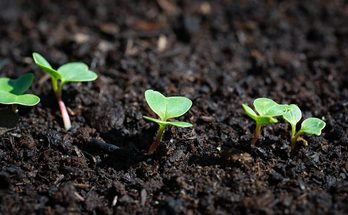
Keep the soil consistently moist while the seeds are germinating. Under suitable conditions, radish seeds can sprout relatively quickly.
Give Radishes Enough Space
Proper spacing is important because overcrowded radishes compete for sunlight, water, and nutrients.
If seeds are sown very close together, the seedlings will eventually need to be thinned. Thinning means removing some young plants so the remaining ones have enough room to develop properly.
Check the recommended spacing on your seed packet because different varieties require different amounts of space.
When thinning, remove weaker or overcrowded seedlings carefully. Try not to disturb the roots of the plants you want to keep.
It can feel wasteful to remove healthy seedlings, but proper spacing often results in better-quality radishes.
Watering Radishes Properly
Radishes need consistent moisture while they are growing. The soil should remain evenly moist without becoming waterlogged.
If the soil becomes extremely dry and then receives a large amount of water, the roots may develop poorly or split. Irregular watering can also affect texture and flavor.
During dry weather, check the soil regularly. If the surface and upper layer of soil are becoming dry, water thoroughly.
Morning watering is often a practical choice because it allows foliage to dry during the day and gives plants access to moisture before the hottest part of the afternoon.
A layer of light organic mulch can help slow moisture loss and reduce competition from weeds. However, avoid piling mulch directly against the young stems.
Fertilizing Radishes
Radishes generally do not require heavy feeding if they are planted in fertile soil.
Too much fertilizer, particularly nitrogen, can produce large leaves without producing equally impressive roots. Before planting, incorporating mature compost into poor soil is often a better approach than repeatedly applying strong fertilizer.
If your soil is already healthy and fertile, additional fertilizer may not be necessary during the short growing period.
If you suspect a nutrient deficiency, consider testing the soil before applying fertilizer. Soil testing can help you understand what your garden actually needs instead of adding nutrients unnecessarily.
Keep the Garden Free of Weeds
Weeds compete with radishes for water, nutrients, sunlight, and growing space. Because radish plants are relatively small, aggressive weeds can quickly become a problem.
Remove weeds while they are young. Hand-pulling or shallow cultivation around the plants can usually keep the planting area manageable.
Be careful when working close to radish plants because their roots are developing underground. Deep digging or aggressive hoeing can damage the roots.
Regular, gentle maintenance is usually easier than allowing weeds to become large and removing them later.
Common Radish Growing Problems
Although radishes are generally easy to grow, gardeners can sometimes encounter problems.
Radishes Produce Lots of Leaves but Small Roots
Excessive nitrogen, insufficient sunlight, overcrowding, or unsuitable growing conditions can result in abundant foliage with disappointing roots.
Make sure plants receive adequate sunlight and are properly spaced. Avoid excessive nitrogen fertilizer.
Radishes Are Very Spicy
Radishes naturally have a peppery flavor, but excessive heat and stress can make them particularly strong.
Growing them during cooler weather and maintaining consistent soil moisture can help produce a more balanced flavor.
Harvesting them at the appropriate maturity stage is also important because older roots may become stronger and tougher.
Radishes Crack or Split
Sudden changes in soil moisture can contribute to splitting. Allowing the soil to become very dry and then watering heavily can create uneven growth.
Try to maintain consistent moisture throughout the growing period.
Radishes Do Not Form Properly
Compacted soil is a common reason for poorly shaped roots. Stones, hard soil, and heavy clay can interfere with root development.
Before planting, loosen the soil thoroughly and remove obstacles that could restrict root growth.
Protect Radishes From Pests
Several garden pests may be attracted to radish leaves. Young plants are particularly vulnerable because damage can quickly affect their growth.
Inspect plants regularly for holes, chewing damage, discolored leaves, or insects. Early detection makes pest management easier.
Good garden hygiene can also help. Remove severely damaged plant material and keep weeds under control because weeds can provide shelter for pests.
Depending on the pest and severity of the problem, gardeners may use physical barriers, hand-picking, or other appropriate garden management methods.
Avoid applying any pest-control product without reading and following its label directions carefully, particularly if you are growing vegetables for consumption.
Companion Planting With Radishes
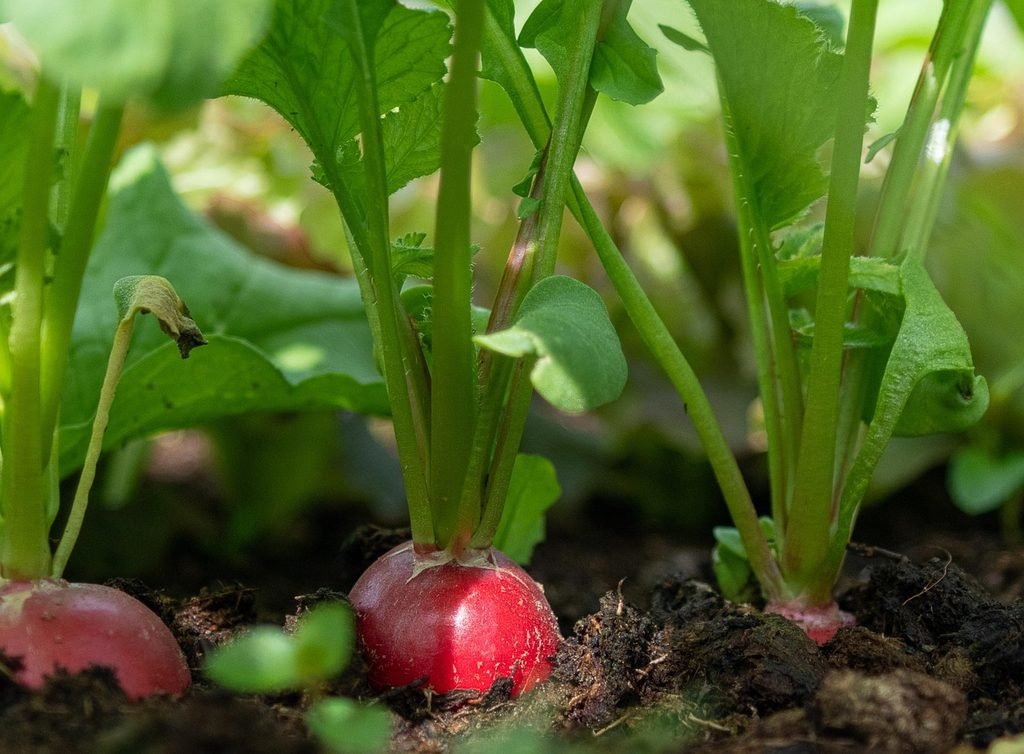
Radishes can fit nicely into a mixed vegetable garden. Their relatively quick growth makes them useful for filling gaps between slower-growing crops.
Some gardeners plant radishes alongside vegetables such as carrots, lettuce, peas, and other cool-season crops. However, companion planting should not be treated as a guaranteed pest-control method.
The most important factors remain healthy soil, proper spacing, suitable sunlight, adequate moisture, and good garden hygiene.
How to Know When Radishes Are Ready
One of the most exciting parts of growing radishes is harvesting them.
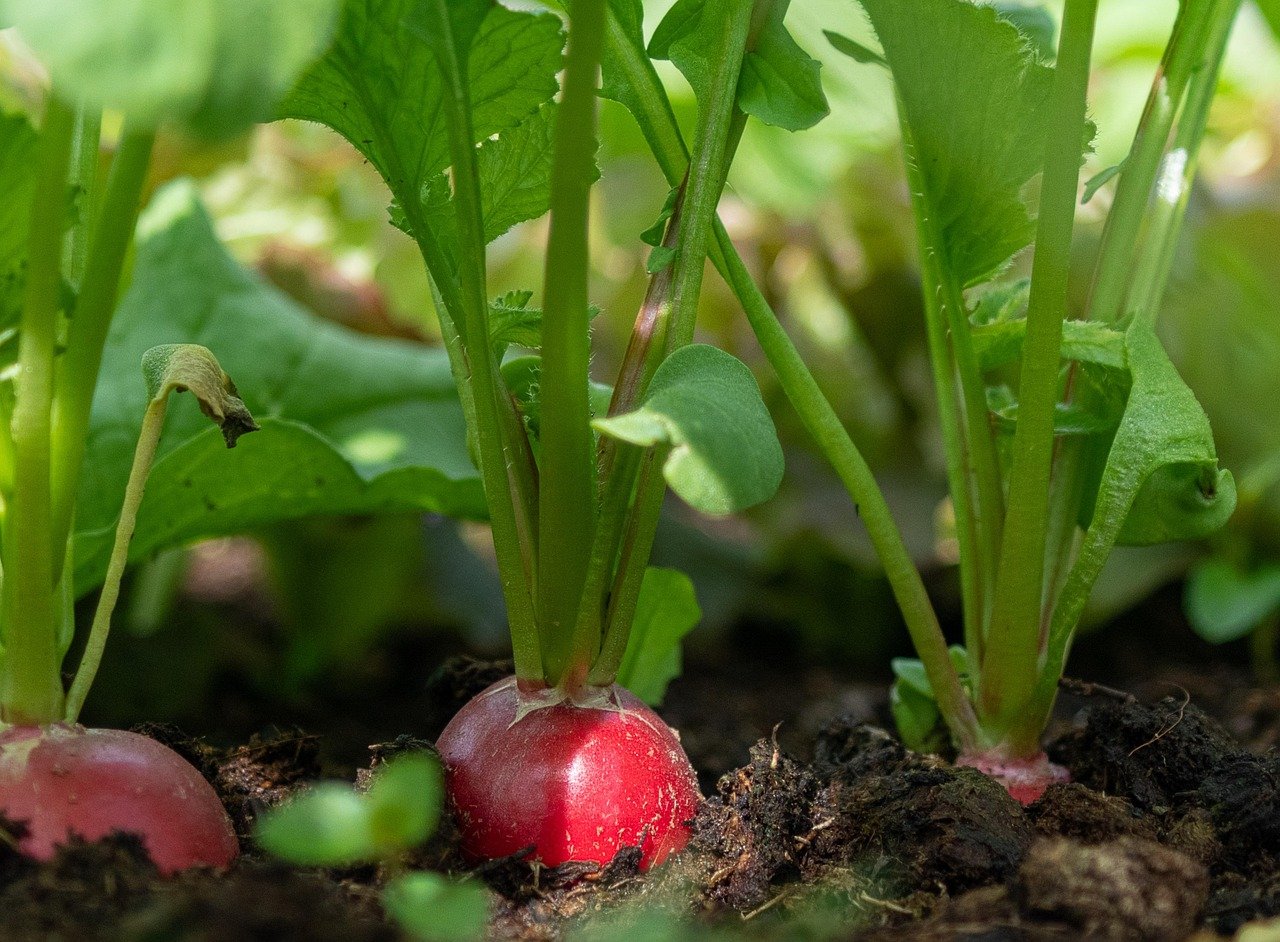
Check the maturity information provided for your variety, but do not rely on the calendar alone. The size of the visible root near the soil surface can also provide clues.
When a radish appears to have reached a useful size, gently pull one from the soil and inspect it. This allows you to determine whether the remaining crop is ready.
It is usually better to harvest radishes while they are young and tender rather than leaving them in the ground for too long.
Overmature radishes can become woody, tough, hollow, or excessively strong in flavor.
How to Harvest Radishes
Harvesting radishes is simple. Watering the garden lightly beforehand can sometimes make the soil easier to work with, particularly if it has become firm.
Grip the leaves near the base and gently pull the radish upward. If the soil is compacted, loosen it carefully with a small garden fork or hand tool.
Try not to damage neighboring roots when harvesting.
After pulling the radishes, remove excess soil and trim the leaves if you are storing the roots. Do not wash all the radishes until you are ready to use them if you want to maximize storage life.
Radish greens are also edible when young and fresh. They can be added to salads, cooked like leafy greens, or incorporated into various dishes.
Storing Fresh Radishes
Freshly harvested radishes can be stored in the refrigerator for short-term use.
Remove the leafy tops before storage because the leaves can draw moisture from the roots. Keep the roots cool and appropriately contained to prevent excessive moisture loss.
Before eating, wash the radishes thoroughly under clean running water.
If you harvest more than you can use immediately, consider sharing some with friends, family, or neighbors. Fresh garden produce is often at its best shortly after harvest.
Growing Radishes in Raised Beds
Raised beds can be an excellent environment for radishes because gardeners can control the soil structure more easily.
Fill the bed with loose, fertile soil that drains well. Avoid walking directly on the growing area because repeated foot traffic can compact the soil.
Raised beds also make it easier to organize succession plantings. You can reserve a small section for radishes and sow new seeds at regular intervals.
Because radishes mature quickly, they can also be planted between slower-growing crops, helping you make efficient use of your available garden space.
Growing Radishes in Containers
If you do not have a traditional garden, you can grow radishes in containers.
Choose a container with drainage holes and enough depth for the variety you plan to grow. Smaller round varieties are often convenient for containers.
Fill the container with quality potting mix rather than heavy garden soil. Sow the seeds directly into the container and thin the seedlings once they emerge.
Place the container somewhere that receives sufficient sunlight and monitor moisture more frequently than you would in a garden bed. Containers can dry out faster, especially during warm or windy weather.
Container-grown radishes can be a practical option for balconies, patios, rooftops, and other small spaces.
Tips for a Better Radish Harvest
A few simple practices can make a noticeable difference in your results.
Plant during suitable weather: Cool or mild conditions are generally better than intense heat.
Prepare the soil well: Loose soil allows roots to expand more easily.
Avoid overcrowding: Give plants enough space to develop healthy roots.
Maintain consistent moisture: Avoid repeated cycles of extreme dryness and heavy watering.
Do not overfertilize: Excess nitrogen can encourage leaves instead of roots.
Harvest at the right time: Young, properly developed radishes are often more tender and flavorful.
Practice succession planting: Sow small batches regularly for a longer harvest period.
Inspect plants frequently: Catching pests and growing problems early makes them easier to manage.
Frequently Asked Questions About Growing Radishes
How long do radishes take to grow?
Many common radish varieties mature within a few weeks, although the exact timing depends on the variety, temperature, soil, and growing conditions. Always check the seed packet for the expected maturity period.
Do radishes need full sun?
Radishes generally grow best with several hours of direct sunlight each day. Some light shade can be tolerated, particularly in warmer weather, but insufficient sunlight may slow growth.
Can radishes grow in poor soil?
They can survive in less-than-ideal soil, but loose, fertile, well-draining soil produces better results. Compacted soil can interfere with root development.
How often should radishes be watered?
Water whenever the soil begins to dry, aiming to maintain consistent moisture. The exact frequency depends on rainfall, temperature, soil type, and whether the radishes are grown in containers or directly in the ground.
Why are my radishes all leaves?
Large amounts of foliage with small roots can result from excessive nitrogen, insufficient sunlight, overcrowding, or unsuitable growing conditions. Review your spacing, sunlight, soil, and fertilization practices.
Can I grow radishes more than once a year?
In many climates, yes. Radishes can often be planted in more than one season, particularly where summers are too hot for reliable growth. Always consider your local temperatures when planning successive crops.
Final Thoughts
Growing radishes is a simple and rewarding way to begin or expand a home vegetable garden. They require relatively little space, mature quickly, and can be grown successfully in garden beds, raised beds, and containers.
The key to a good harvest is creating the right conditions from the beginning. Choose a sunny location, prepare loose and well-draining soil, plant seeds at the recommended depth, and give seedlings enough room to develop. Consistent watering and timely harvesting are equally important.
If you are new to vegetable gardening, radishes are an excellent crop to start with. Their quick growth allows you to see the results of your work in a relatively short period, while succession planting can keep fresh roots coming throughout the appropriate growing season.
With a little preparation and regular attention, you can grow crisp, flavorful radishes right in your own garden and enjoy the satisfaction of harvesting vegetables you cultivated yourself.