Container gardening is one of the easiest ways to grow fresh vegetables when you do not have a large backyard. Whether you live in an apartment, have a small balcony, own a patio, or simply want to make better use of limited outdoor space, growing vegetables in containers can be both productive and rewarding.
One of the biggest advantages of container gardening is flexibility. You can move pots to a sunnier location, protect plants from harsh weather, control the quality of the soil, and grow vegetables almost anywhere. With the right containers, potting mix, sunlight, water, and basic care, even beginners can enjoy a surprisingly productive vegetable garden.
However, not every vegetable is equally suitable for containers. Some crops grow quickly in limited space, while others need deep roots, large containers, or strong support. Choosing the right vegetables is therefore an important first step.
In this guide, we will explore some of the best vegetables for container gardening, along with useful growing tips to help you create a healthy and productive container garden.
Why Grow Vegetables in Containers?
Container gardening offers several benefits that make it attractive to beginners and experienced gardeners alike.
First, containers require much less space than traditional garden beds. A few pots on a balcony or patio can provide enough room to grow herbs, leafy greens, tomatoes, peppers, and root vegetables.
Containers also give you greater control over the growing environment. You can choose a suitable potting mix, improve drainage, and adjust the location of plants according to sunlight and weather conditions.
Another benefit is that containers can help reduce problems associated with poor garden soil. If your outdoor soil is heavy, compacted, or unsuitable for vegetables, you can simply use a high-quality container mix instead.
Container gardening can also make gardening more accessible. Raised pots are easier to reach than plants growing directly in the ground, making them convenient for people who prefer gardening without excessive bending or digging.
Choosing the Right Container
Before selecting vegetables, it is important to choose suitable containers. The size of the container should match the mature size and root system of the plant.
Small vegetables such as radishes and green onions can grow successfully in relatively shallow containers. Larger crops, including tomatoes and cucumbers, usually need considerably more space.
Make sure every container has drainage holes at the bottom. Good drainage is essential because constantly waterlogged soil can cause root problems.
Plastic pots, clay pots, wooden planters, fabric grow bags, and recycled food-safe containers can all work well. The most important factors are adequate size, drainage, and durability.
1. Tomatoes
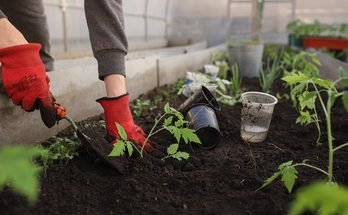
Tomatoes are among the most popular vegetables for container gardening. They can produce an impressive harvest from a relatively small growing area when given proper care.
Cherry tomatoes are particularly suitable for containers because many varieties remain relatively compact. Determinate or patio varieties are also good choices for gardeners working with limited space.
Use a large container with good drainage and place the plant where it receives plenty of sunlight. Tomatoes generally perform best when they receive several hours of direct sunlight each day.
Because tomato plants can become heavy, they may require a stake, cage, or other support. Water consistently, especially during hot weather, and avoid allowing the soil to remain completely dry for long periods.
2. Radishes
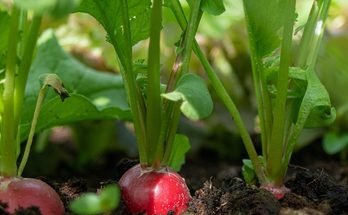
Radishes are excellent vegetables for beginners because they grow quickly and do not require a large container.
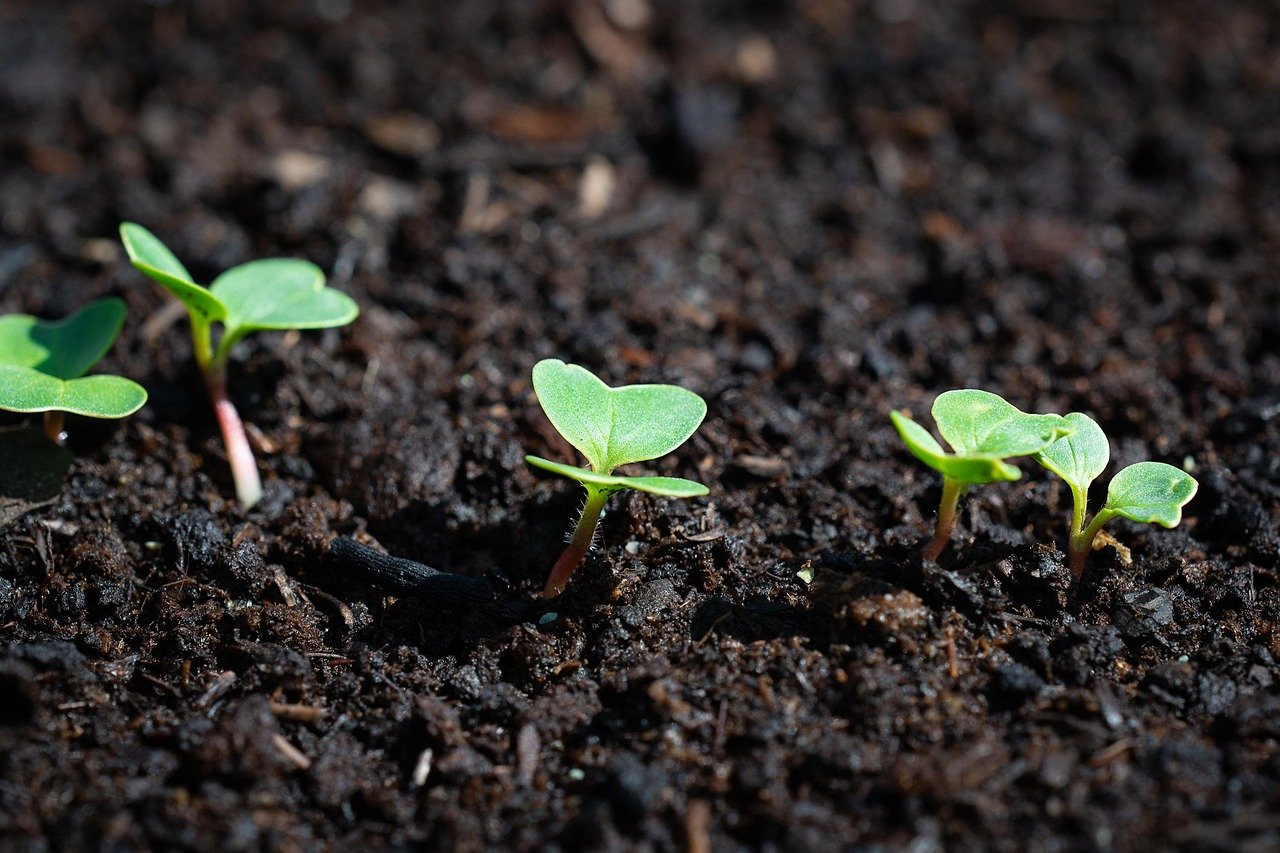
A container that is moderately deep and filled with loose soil is usually sufficient. Sow radish seeds directly into the container rather than transplanting them.
Radishes prefer consistent moisture and loose growing media. Crowded plants may produce small or poorly formed roots, so thin seedlings when necessary.
One of the best things about radishes is their short growing period. This makes them useful for gardeners who want quick results or want to grow several successive crops during the growing season.
3. Carrots
Carrots can be grown successfully in containers as long as you select an appropriate variety and provide enough depth.
Short or rounded carrot varieties are often easier to grow in containers than very long varieties. Choose a deep pot filled with loose, stone-free potting mix so the roots can develop without obstruction.
Carrots prefer consistent moisture, particularly while seeds are germinating. Keep the soil evenly moist but avoid excessive watering.
Once the roots reach a suitable size, they can be harvested by gently loosening the soil and pulling them upward.
4. Lettuce
Lettuce is one of the easiest leafy vegetables to grow in containers. It has a relatively shallow root system and does not need a large pot.
You can grow several lettuce plants in a single wide container, depending on the variety and spacing requirements. Leaf lettuce is especially convenient because you can harvest individual outer leaves while allowing the plant to continue producing.
Lettuce generally prefers cooler growing conditions. During very hot weather, provide some afternoon shade if possible. Regular harvesting can encourage continued production.
5. Spinach
Spinach is another excellent choice for container gardening. It grows well in relatively small spaces and can provide nutritious leaves for salads and cooked dishes.
Use a container with good drainage and fill it with fertile, well-draining potting mix. Sow seeds directly into the container and thin young plants if they become overcrowded.
Spinach tends to prefer cooler temperatures. In warm climates, growing it during a cooler part of the year can produce better results.
Harvest the larger outer leaves first rather than removing the entire plant immediately. This allows smaller leaves to continue developing.
6. Green Beans
Bush beans can be productive container plants and are particularly suitable for gardeners who want a rewarding harvest from limited space.
Bush varieties are generally easier for containers because they remain more compact than climbing types. Choose a container large enough to support the plants and provide adequate root space.
Beans need sunlight and consistent watering. Avoid letting the soil become extremely dry during flowering and pod development.
Harvest pods while they are still young and tender. Regular harvesting can encourage the plant to continue producing.
7. Peppers
Peppers are excellent candidates for container gardening because many plants remain compact while producing plenty of fruit.
Both sweet peppers and hot peppers can be grown in pots. Choose a container with sufficient depth and place it in a sunny location.
Peppers generally appreciate warm conditions, but they still need consistent moisture. During periods of intense heat, monitor containers carefully because pots can dry out faster than garden soil.
Once the fruits reach the desired size and color, they can be harvested using clean scissors or pruning shears.
8. Cucumbers
Cucumbers can grow very well in containers, especially when you choose compact or patio varieties.
Cucumber plants can spread across a large area, but using a trellis or other vertical support allows you to make better use of limited space.
Select a sturdy container and provide strong support before the vines become large. This prevents damage later in the season.
Keep the potting mix consistently moist and provide plenty of sunlight. Regular harvesting is important because mature cucumbers can become large and less tender if left on the plant for too long.
9. Green Onions
Green onions are among the simplest vegetables to grow in containers. They require little space and can even be grown in smaller pots.
Plant the seeds or sets in a container filled with well-draining soil. Green onions can be grown relatively close together, depending on whether you want to harvest them young or allow larger bulbs to develop.
Place the container in a location with suitable sunlight and keep the soil moderately moist.
Because green onions grow quickly, they are a good choice for beginners and for gardeners who want a simple crop that can be harvested regularly.
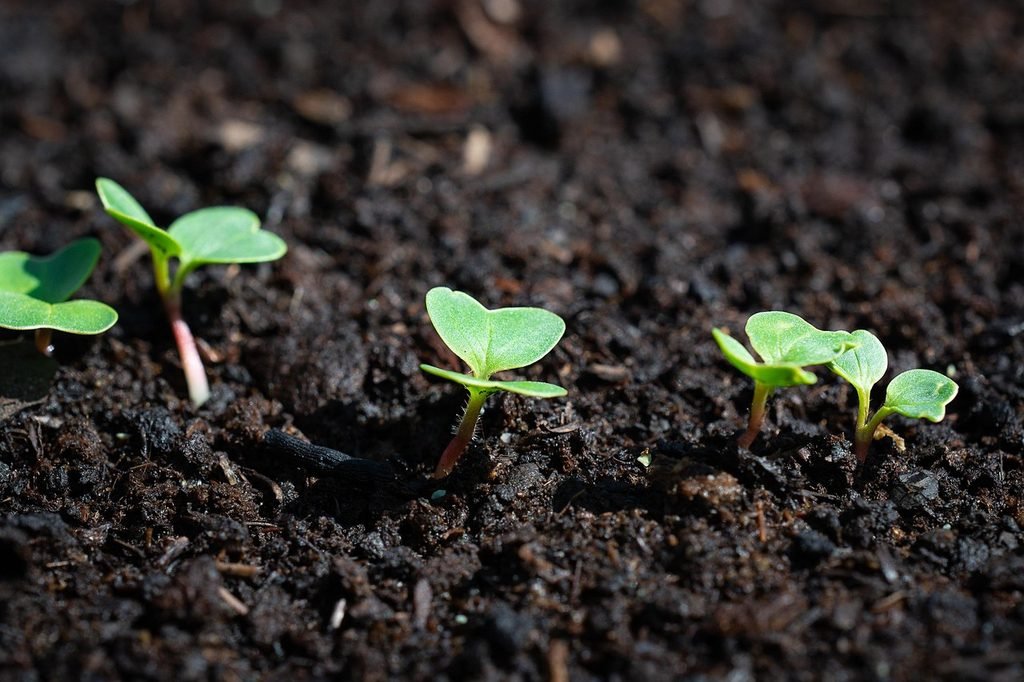
10. Peas
Peas can be grown in containers if they have sufficient root space and a structure to climb.
Climbing pea varieties can make excellent use of vertical space. Add a trellis, netting, or another support structure when the plants are young.
Peas generally perform best during cooler periods. They need consistent moisture, particularly when flowers and pods begin developing.
Harvest pods regularly to encourage continued production and enjoy them fresh from the garden.
11. Eggplant
Eggplant, also known as aubergine, can be surprisingly productive in containers. Compact varieties are particularly useful when garden space is limited.
Eggplants appreciate warm temperatures, sunlight, and fertile growing media. Use a sturdy container because mature plants can become heavy, especially when carrying fruit.
Water consistently and provide support if the plant becomes tall or heavily loaded with fruit.
Harvest eggplants while they are young and glossy for the best texture and flavor.
12. Zucchini
Zucchini can grow in containers, although it requires more room than many leafy vegetables. Choose compact or bush-type varieties whenever possible.
A large container is important because zucchini develops a substantial root system and broad leaves. Place the pot where it receives plenty of sunlight.
Keep the soil consistently moist and provide adequate nutrition throughout the growing season.
Harvest zucchini when the fruits are relatively young. Large zucchini can become watery and develop tougher skin and seeds.
13. Beets
Beets are useful container crops because both their roots and young leaves can be eaten.
Choose a container with enough depth for the roots to develop. Loose, fertile soil helps produce better-shaped beets.
Sow seeds directly and thin seedlings to give developing roots enough space. The young leaves can also be harvested sparingly for salads or cooking.
Beets prefer consistent moisture but do not perform well in constantly saturated soil.
14. Swiss Chard
Swiss chard is an attractive and productive leafy vegetable that performs well in containers.
It can provide a long harvest period when grown under suitable conditions. The colorful stems also add visual interest to a balcony or patio garden.
Use a container with good drainage and fertile potting mix. Harvest the outer leaves as needed while allowing the center of the plant to continue producing new growth.
15. Kale
Kale is another leafy vegetable that adapts well to container gardening. It can provide repeated harvests from a single plant.
Choose a reasonably large container and place it where the plant receives suitable sunlight. Water regularly and harvest mature outer leaves first.
Kale is especially useful for gardeners who want a vegetable that can provide leaves over an extended period rather than requiring a single harvest.
How to Choose the Best Vegetables for Your Containers
When deciding what to grow, consider more than just the size of the plant. The following factors can help you make better choices.
Consider Container Size
Large plants need larger containers. Tomatoes, eggplants, cucumbers, and zucchini generally require more space than lettuce, radishes, or green onions.
Consider Sunlight
Most fruiting vegetables need plenty of sunlight to produce well. Leafy greens may tolerate somewhat less direct sunlight, although their growth can still improve with good light.
Before planting, observe your balcony, patio, or garden area throughout the day to determine how much sunlight each location receives.
Consider Your Climate
Different vegetables prefer different temperatures. Cool-season crops such as spinach, peas, and some lettuce varieties may perform better during cooler weather, while tomatoes, peppers, cucumbers, and eggplants generally prefer warmer conditions.
Choosing vegetables suited to your local growing season can make container gardening much easier.
Best Potting Mix for Container Vegetables
Avoid using ordinary garden soil by itself in containers. Garden soil can become compacted and may not provide the drainage and air circulation that container plants need.
Instead, use a quality potting mix designed for containers. A good mix should be lightweight, well-draining, and capable of holding enough moisture for healthy root growth.
Adding mature compost can help improve fertility, but avoid using excessive amounts. Container vegetables generally benefit from a balanced growing medium and regular feeding during active growth.
Watering Container Vegetables
Watering is one of the most important parts of successful container gardening. Pots can dry out much faster than plants growing in the ground, especially during hot or windy weather.
Check the moisture level regularly by feeling the surface and upper portion of the growing mix. Water thoroughly when necessary, allowing excess water to drain through the bottom of the container.
Try to water the soil rather than constantly wetting the leaves. Watering early in the day can also give excess moisture on foliage more time to evaporate.
At the same time, avoid overwatering. Constantly wet soil can reduce oxygen around the roots and contribute to root problems.
Feeding Container Vegetables
Plants grown in containers have access to a limited amount of nutrients. As they grow, they may need additional feeding.
Use a fertilizer suitable for vegetables and follow the product’s instructions carefully. Avoid applying more fertilizer than recommended because excessive nutrients can damage plants or encourage unhealthy growth.
Compost and other organic materials can also contribute nutrients and improve the condition of the growing medium.
Common Container Gardening Mistakes
Even easy vegetables can struggle when basic growing requirements are overlooked.
One common mistake is using containers that are too small. A plant may survive in a small pot but fail to reach its full potential because the roots do not have enough space.
Poor drainage is another frequent problem. Always make sure containers have drainage holes.
Overcrowding can also reduce airflow and encourage disease. Give plants enough room to grow according to the requirements of their variety.
Finally, do not ignore sunlight. A container garden placed in a dark corner may produce weak, slow-growing plants even when watering and feeding are correct.
Tips for a More Productive Container Garden
To get the most from your available space, combine vegetables with different growth habits. For example, leafy greens can occupy smaller containers while climbing cucumbers or peas grow vertically.
Succession planting is another useful technique. Once one crop has finished, replace it with another suitable vegetable instead of leaving the container empty.
Choose compact or dwarf varieties whenever possible. Plant breeders have developed many varieties specifically for patios, balconies, and small gardens.
Also, inspect your plants regularly. Look for yellowing leaves, damaged foliage, pests, or signs of water stress. Catching problems early usually makes them easier to manage.
Final Thoughts
Container gardening makes it possible to grow fresh vegetables even when traditional garden space is limited. From quick-growing radishes and leafy greens to productive tomatoes, peppers, cucumbers, and beans, there are many excellent choices for pots and planters.
The key to success is matching each vegetable with the right container size, growing medium, sunlight, water, and support. Start with a few easy crops rather than trying to grow everything at once. As you gain experience, you can expand your collection and experiment with different varieties.
A small collection of containers can become a surprisingly productive garden. With regular attention and a little patience, you can enjoy fresh vegetables grown right outside your home.