Coriander is one of the easiest and most rewarding herbs to grow at home. Its fresh green leaves add flavor and aroma to curries, salads, chutneys, soups, sauces, and countless other dishes. The best part is that you do not need a large garden to grow it. With a suitable container, quality potting soil, adequate sunlight, and regular care, you can enjoy fresh coriander from a balcony, terrace, windowsill, patio, or small outdoor space.
Growing coriander in containers also gives you greater control over soil quality, watering, sunlight, and plant health. However, coriander has a relatively short growing cycle and can quickly produce flowers and seeds when exposed to heat or stressful growing conditions. Understanding its basic needs can help you keep the plants leafy and productive for longer.
This guide explains everything you need to know about growing coriander in containers, from choosing the right pot and planting seeds to watering, feeding, harvesting, and troubleshooting common problems.
Why Grow Coriander in Containers?
Container gardening is an excellent option for people who have limited outdoor space. Coriander does not require a large growing area, so even a modest pot can produce a useful harvest.
One major advantage of container growing is convenience. You can place your coriander where it receives suitable sunlight and move the container if weather conditions become unfavorable. Containers also allow you to use fresh, well-draining soil rather than relying on poor-quality garden soil.
Growing coriander at home can also save money over time. Instead of purchasing small bunches from the market, you can harvest only the amount you need while allowing the remaining plants to continue growing.
Another benefit is freshness. Coriander leaves tend to lose their aroma and firmness after harvesting. When you grow your own, you can pick fresh leaves immediately before cooking.
Choosing the Right Container
Selecting an appropriate container is one of the first important steps. Coriander has a relatively shallow root system, but the container should still provide enough room for healthy root development.
Choose a pot that is at least 8 to 10 inches deep and preferably 10 to 12 inches wide or larger. A wider container allows you to grow several plants together and provides enough space for the roots.
The material of the pot is less important than its drainage. Plastic, terracotta, ceramic, and fabric containers can all work well as long as excess water can escape.
Make Sure the Pot Has Drainage Holes
Good drainage is essential for coriander. Waterlogged soil can deprive roots of oxygen and increase the risk of root problems.
Before planting, check the bottom of the container. It should have several drainage holes. If water remains in the pot after watering, the soil may be too compact or the drainage holes may be blocked.
Avoid planting coriander in decorative containers without drainage unless you place a suitable nursery pot with drainage holes inside.
Selecting Quality Coriander Seeds
Coriander is generally grown from seed rather than transplanted seedlings. Fresh, good-quality seeds usually provide better germination and stronger plants.
You can purchase coriander seeds from a reputable garden center or seed supplier. Culinary coriander seeds can sometimes germinate as well, but seeds specifically sold for planting are generally the better choice.
Coriander seeds are actually small fruits containing two seeds. Some gardeners gently crush or split them before sowing to encourage more uniform germination. If you do this, handle them carefully so you do not damage the seeds.
For a continuous supply of fresh leaves, consider sowing a small batch every two to three weeks during the appropriate growing season rather than planting everything at once.
Preparing the Potting Mix
Coriander grows best in soil that is fertile, loose, and well-draining. Avoid heavy garden soil that becomes hard or compacted inside a container.
A simple potting mixture can contain:
- Quality all-purpose potting soil
- Compost or well-rotted organic matter
- A drainage material such as perlite or coarse material suitable for container gardening
The goal is to create a mixture that holds enough moisture for the plants while allowing excess water to drain away.
Before planting, fill the container almost to the top, leaving approximately an inch of space below the rim. This makes watering easier and reduces the chance of soil washing out of the container.
How to Plant Coriander Seeds
Once your container and soil are ready, planting is straightforward.
Moisten the potting mix lightly before sowing. Scatter the coriander seeds across the surface, leaving a little space between them. You do not need to plant them in perfectly straight rows.
Cover the seeds with a thin layer of potting mix, approximately ¼ to ½ inch deep. Avoid burying them too deeply because this can make germination more difficult.
Water gently using a watering can with a fine rose or a spray setting that does not disturb the seeds.
Place the container in a bright location where the plants can receive suitable sunlight.
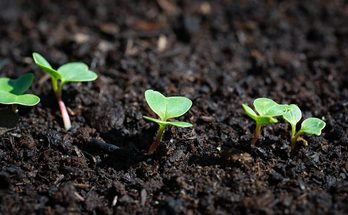
Coriander seeds commonly take around one to three weeks to germinate, depending on seed quality, temperature, moisture, and growing conditions. Keep the soil consistently lightly moist during this period.
Providing the Right Amount of Sunlight
Coriander generally grows well in bright light and can tolerate several hours of direct sunlight. However, extremely hot conditions can cause the plant to bolt quickly.
In mild weather, a location receiving several hours of direct sunlight can work very well. During very hot weather, especially in warm climates, some afternoon shade can help protect the plants from excessive heat.
A bright balcony, terrace, patio, or sunny windowsill can be suitable if the location provides enough light and ventilation.
Watch your plants carefully. Long, weak stems and pale growth can indicate insufficient light, while severe wilting or scorched leaves may indicate excessive heat, especially when combined with dry soil.
Watering Coriander in Containers
Proper watering is one of the most important parts of coriander care.
The soil should remain slightly moist but never continuously soggy. Check the top layer of soil with your finger. If it feels dry, water the plant thoroughly until a little water drains from the bottom of the container.
Do not follow a rigid watering schedule because the plant’s needs can change depending on temperature, sunlight, container size, and humidity.
During hot weather, container soil can dry out quickly. During cooler or cloudy periods, the plant may require less frequent watering.
Always check the soil before watering rather than automatically adding water every day.
Thinning Young Seedlings
When coriander seeds germinate, several seedlings may appear close together. If they are overcrowded, the plants may compete for light, water, nutrients, and growing space.
Once the seedlings are large enough to handle, thin the weaker ones if necessary. Leave enough space between plants to encourage good airflow and healthy growth.
Do not remove every seedling simply because they are close together. Coriander can be grown relatively densely for leaf production, provided the container has enough room and the plants receive adequate light and ventilation.
The young leaves you remove can often be used in cooking if they are clean and healthy.
Feeding Coriander Plants
Coriander does not usually require heavy feeding, particularly when it is planted in a nutrient-rich potting mixture.
If your soil contains compost or another suitable organic amendment, the plants may have enough nutrients for much of their growing period.
If growth becomes weak or pale, you can apply a balanced liquid fertilizer according to the product’s label directions. Avoid excessive fertilizer because too much can lead to rapid, soft growth and may affect the plant’s overall health.
For container herbs, moderate feeding is generally better than trying to maximize growth with large amounts of fertilizer.
Protecting Coriander From Extreme Heat
Heat is one of the biggest challenges when growing coriander.
Coriander naturally tends to bolt when temperatures become high or when the plant experiences stress. Bolting means the plant produces a tall flowering stalk and eventually develops seeds.
Once coriander begins flowering, leaf production usually declines and the flavor and texture of the leaves can change.
During hot periods, provide morning sunlight and some protection from intense afternoon heat. Keeping the soil evenly moist can also reduce stress.
If you live in a particularly hot region, consider growing coriander during cooler months. This can significantly improve the length and quality of your harvest.
What Is Bolting?
Bolting is a natural part of the coriander plant’s life cycle. Instead of continuing to produce mostly leafy growth, the plant sends up a flower stalk.
Many beginners assume bolting means something has gone wrong. In reality, it is often a response to maturity and environmental conditions, particularly heat and long periods of stress.
If your primary goal is fresh leaves, harvest regularly before the plant becomes heavily flowered.
However, bolting is not necessarily a waste. Coriander flowers can attract beneficial insects, and the plant eventually produces coriander seeds that can be collected for cooking or future planting.
Pruning and Harvesting Coriander
You can begin harvesting coriander leaves once the plants are large enough to provide a useful amount of foliage.
Instead of removing the entire plant, harvest outer stems and leaves first. This allows the younger growth near the center to continue developing.
Use clean scissors or kitchen shears to cut stems rather than repeatedly pulling at the plant.
Regular harvesting can encourage you to make use of the crop while preventing the container from becoming excessively crowded.
For the freshest flavor, harvest coriander shortly before using it in your meal.
How to Harvest Coriander Seeds
If you allow your plants to flower, you can also harvest coriander seeds.
After flowering, the plant develops small green seed clusters. As they mature, they gradually change color and become drier.
Wait until most of the seeds have matured and dried on the plant. Cut the seed-bearing stems and place them in a dry, well-ventilated location to finish drying.
Once completely dry, gently separate the seeds from the stems and store them in an airtight container in a cool, dry place.
You can use the seeds in cooking or save some for future planting.
Common Coriander Problems
Although coriander is relatively easy to grow, container gardeners may encounter a few common problems.
Yellow Leaves
Yellow leaves can have several causes. Overwatering, poor drainage, nutrient problems, aging leaves, or environmental stress may all contribute.
First, check the soil moisture and drainage. If the soil remains wet for long periods, reduce watering and make sure excess water can escape.
Wilting
Wilting often occurs when the plant does not receive enough water, especially during hot weather. Check the soil before adding water.
If the soil is already wet but the plant continues to wilt, the problem may be related to poor drainage or root stress.
Leggy Growth
Tall, thin stems with widely spaced leaves often indicate insufficient light.
Move the container to a brighter location where the plant receives more suitable light.
Flowers Appearing Too Early
Early flowering is commonly associated with heat, plant maturity, or stress.
If you want leafy coriander, grow it during cooler conditions and keep the plants adequately watered. Once a plant has begun bolting, it is usually better to harvest the remaining leaves and allow the plant to produce seeds.
Managing Pests Naturally
Coriander can occasionally attract aphids, spider mites, or other small garden pests.
Inspect the leaves and stems regularly, especially if you notice distorted leaves, sticky residue, or unusual spots.
For a small container garden, early detection is often the easiest solution. Remove badly affected leaves and gently wash minor infestations from the foliage when appropriate.
Encouraging good airflow around plants can also reduce certain problems. Avoid using pesticides unnecessarily, particularly on herbs that you intend to eat. If a pest treatment is needed, always select a product labeled for edible plants and follow its instructions carefully.
Tips for a Continuous Coriander Harvest
One of the best ways to keep fresh coriander available is succession sowing.
Instead of planting one large batch, sow a small amount of seed every two or three weeks during the suitable growing season. As one group becomes mature or begins to bolt, another group will be developing.
You can also keep more than one container. This allows you to stagger planting dates and maintain a steady supply.
Harvesting frequently and only taking what you need can further extend the usefulness of each planting.
Growing Coriander Indoors
Coriander can be grown indoors if you have a bright enough location.
A sunny windowsill can work, provided the plant receives sufficient light. If natural light is limited, a suitable indoor grow light can help support healthy growth.
Indoor plants still need good drainage and proper air circulation. Avoid placing the container directly beside a strong heat source or in an area with stagnant air.
Because indoor conditions can differ significantly from outdoor conditions, monitor soil moisture regularly rather than relying on a fixed watering routine.
Best Time to Grow Coriander
The ideal growing season depends on your local climate.
Coriander generally performs best during relatively cool or mild weather. Excessive heat encourages bolting, while extreme cold can slow growth.
Gardeners in warm climates can often have better results by growing coriander during cooler parts of the year. Those in temperate climates may have a longer growing window.
Rather than relying solely on calendar dates, pay attention to local temperatures and seasonal conditions.
Can You Grow Coriander From Store-Bought Seeds?
Sometimes, but results can vary.
Seeds sold specifically for planting are generally the safest choice because they are intended for germination. If you are experimenting with culinary coriander seeds, make sure they are whole, dry, and have not been processed in a way that prevents germination.
Fresh planting seed is usually inexpensive, so using a reliable seed source is often the simplest approach.
Mistakes to Avoid
Several common mistakes can make container coriander harder to grow.
Using a container without drainage: Excess water can damage roots.
Overwatering: Coriander prefers evenly moist soil rather than constantly wet soil.
Planting too deeply: Seeds only need a light covering of soil.
Ignoring sunlight: Insufficient light can result in weak, stretched plants.
Growing during extreme heat: High temperatures can encourage premature bolting.
Overfertilizing: Too much fertilizer is unnecessary and may create weak growth.
Harvesting too aggressively: Removing all the foliage at once can reduce the plant’s ability to continue growing.
Avoiding these simple mistakes can dramatically improve your results.
Frequently Asked Questions
How long does coriander take to grow?
Coriander can begin producing harvestable leaves within several weeks after germination, although the exact timing depends on temperature, sunlight, variety, and growing conditions.
Can coriander grow in a small pot?
Yes. A container around 8 to 10 inches deep can be suitable, provided it has good drainage and contains quality potting mix.
Does coriander need full sun?
Coriander likes bright light and can tolerate direct sunlight, but it may benefit from some afternoon shade during very hot weather.
How often should coriander be watered?
Water whenever the upper layer of soil begins to dry. The exact frequency depends on the weather and container conditions.
Why does coriander flower quickly?
Heat, plant maturity, and stress can encourage bolting. Growing coriander during cooler conditions can help delay flowering.
Can coriander grow back after cutting?
If you harvest individual stems and leave healthy growth behind, the plant can continue producing leaves for some time. However, coriander has a relatively short natural life cycle.
Final Thoughts
Growing coriander in containers is a simple and practical way to enjoy fresh herbs even when you do not have a traditional garden. The key is to provide a container with good drainage, use a loose and fertile potting mixture, sow quality seeds, maintain consistent moisture, and provide suitable light.
The biggest challenge is usually heat and premature bolting. By growing coriander during cooler weather and protecting containers from excessive afternoon heat, you can often enjoy a longer period of leafy growth.
With regular harvesting and succession planting, even a small balcony or patio can provide a steady supply of fresh coriander. Once you become comfortable with the basics, you can experiment with different container sizes, planting schedules, and growing locations to discover what works best in your environment.
Most importantly, do not worry if your first crop is not perfect. Container gardening is a learning process. Pay attention to how your plants respond to water, sunlight, temperature, and harvesting, and adjust your routine accordingly. With a little practice, growing fresh coriander at home can become one of the easiest and most satisfying parts of your container garden.