Growing chillies in pots is an easy and rewarding way to enjoy fresh, homegrown peppers even if you do not have a large garden. Chillies grow well in containers, balconies, patios, terraces, windowsills, and small outdoor spaces. With the right pot, soil, sunlight, water, and basic care, you can grow healthy chilli plants and harvest fresh peppers throughout the growing season.
One of the best things about growing chillies in containers is the control you have over the growing environment. You can move pots when the weather changes, protect plants from excessive rain, and place them where they receive plenty of sunlight. Container gardening also makes it easier to manage soil quality and reduce many common garden problems.
This guide explains everything you need to know about growing chillies in pots, from choosing seeds and containers to watering, feeding, pruning, pest control, and harvesting.
Why Grow Chillies in Pots?
Chilli plants are naturally suitable for container gardening. Many varieties remain relatively compact while producing a surprisingly large number of peppers.
Growing chillies in pots has several advantages. You need very little space, and you can grow several varieties side by side. Pots also allow you to use fresh, nutrient-rich potting soil rather than relying on the quality of soil in your garden.
Another benefit is mobility. If temperatures become too hot, too cold, or excessively wet, you can move your plants to a more suitable location. This is particularly useful for gardeners who live in areas with unpredictable weather.
Container-grown chilli plants can also be attractive. Their green foliage, colorful flowers, and bright red, orange, yellow, or green fruits can add interest to balconies and patios.
Choose the Right Chilli Variety
Before planting, decide which type of chilli you want to grow. There are many varieties available, ranging from mild peppers to extremely hot chillies.
For container gardening, compact or dwarf varieties are often the easiest choice. Look for plants described as suitable for pots or containers. Smaller plants usually require less space and are easier to support.
Some varieties produce short, thick peppers, while others grow long, slender fruits. Consider how you plan to use your chillies. Mild varieties are useful for everyday cooking, while hotter varieties can be dried, pickled, or used to make sauces.
If you are new to growing chillies, starting with a relatively easy and productive variety can make the experience more enjoyable.
Select a Suitable Pot
Choosing the right container is one of the most important steps in growing healthy chilli plants.
A single mature chilli plant generally needs a pot that is at least 30 cm (12 inches) wide and deep. Larger pots can be even better because they provide more room for roots and hold moisture for longer.
Make sure the container has several drainage holes at the bottom. Good drainage is essential because chilli plants do not like sitting in waterlogged soil. Poor drainage can cause root problems and prevent healthy growth.
You can use plastic pots, terracotta containers, fabric grow bags, or other gardening containers. Whatever you choose, make sure it is sturdy enough to support the plant as it becomes larger.
If you are growing several chilli plants, give each plant its own container rather than overcrowding them in one pot.
Use Good-Quality Potting Soil
Chillies grow best in loose, fertile, well-draining soil. Avoid using heavy garden soil alone in a container because it can become compacted and restrict drainage.
A good-quality commercial potting mix is a convenient option. You can also make your own mixture using ingredients such as compost, coco coir, and a material that improves drainage.
The growing medium should retain enough moisture for the plant while allowing excess water to drain away.
Adding compost can provide organic matter and nutrients, but avoid filling the pot entirely with fresh compost. A balanced container mix is usually more suitable for long-term growth.
How to Grow Chillies From Seeds
Growing chillies from seeds is inexpensive and allows you to choose from many different varieties.
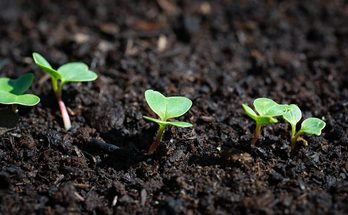
Start by filling a small seed tray or individual seed pots with moist seed-starting mix. Place the seeds according to the depth recommended on the seed packet. Cover them lightly with growing medium.
Keep the soil consistently moist but not soaking wet. Place the container somewhere warm and bright.
Chilli seeds generally need warmth to germinate successfully. Depending on the variety and growing conditions, germination can take anywhere from several days to a few weeks.
Once seedlings appear, provide plenty of light. If seedlings become tall, thin, and weak, they may not be receiving enough light.
When the young plants develop several true leaves and become strong enough to handle, they can be moved into larger pots.
Transplanting Chilli Seedlings
Transplanting should be done carefully because young chilli plants have delicate roots.
Water the seedling before moving it so the root ball remains together. Prepare the larger container with fresh potting mix and make a hole large enough for the roots.
Remove the seedling gently, preferably holding it by the leaves rather than pulling on the stem. Place it in the new container and fill the space around the roots with soil.
Water lightly after transplanting and place the plant somewhere bright and protected while it adjusts.
A short period of slower growth after transplanting is normal. Once the roots establish themselves, the plant should begin producing new growth.
Give Your Chilli Plant Plenty of Sunlight
Chillies are sun-loving plants. They generally perform best when they receive several hours of direct sunlight each day.
Place your pot in the brightest suitable location available. A sunny balcony, patio, terrace, or garden area can work well.
Adequate sunlight encourages strong stems, healthy leaves, flowering, and fruit development. If a plant receives too little light, it may become leggy and produce fewer flowers and fruits.
However, during periods of extreme heat, especially in very hot climates, plants in containers can become stressed. Pots heat up faster than garden soil. During intense heat, some afternoon protection can help prevent excessive stress.
Watering Chilli Plants Correctly
Watering is one of the most important parts of container chilli care.
Unlike plants growing in the ground, potted plants have limited soil around their roots and can dry out quickly. Check the soil regularly by touching the upper layer with your finger.
If the surface feels dry, water the plant thoroughly until some water drains from the holes at the bottom of the container.
Do not water according to a rigid schedule alone. Temperature, pot size, plant size, soil type, and weather all affect how quickly the soil dries.
Avoid keeping the soil permanently saturated. Constantly wet roots can lead to poor growth and root-related problems.
During hot weather, containers may require more frequent watering. During cool or rainy periods, they may need much less.
Feeding Chilli Plants
Chilli plants need nutrients to produce vigorous growth and a good crop of peppers.
A balanced fertilizer can be used during the early growth stage. Once plants begin flowering and producing fruit, a fertilizer formulated for flowering and fruiting plants can be helpful.
Always follow the instructions on the fertilizer label. Applying too much fertilizer does not necessarily produce a better harvest and can damage the plant.
Organic gardeners can use well-made compost or suitable organic fertilizers. The key is to provide nutrients consistently without overfeeding.
Plants growing in containers eventually use nutrients from the limited amount of soil available to them, so regular feeding can be particularly important during a long growing season.
Encourage Flowering and Fruit Production
Healthy chilli plants usually produce small flowers before developing peppers. Good sunlight, appropriate watering, and adequate nutrition all contribute to successful flowering.
Avoid excessive nitrogen fertilizer because it can encourage lots of leafy growth at the expense of flowers and fruits.
Once flowers appear, try to avoid unnecessarily moving or disturbing the plant. In many growing environments, natural pollinators can help with pollination. You can also gently shake the plant occasionally to help distribute pollen.
If flowers appear but repeatedly fall without producing fruit, check the plant’s growing conditions. Extreme temperatures, inconsistent watering, poor light, and excessive fertilizer can all affect flowering and fruit development.
Pruning Chilli Plants
Chilli plants do not always require extensive pruning. In fact, many varieties grow perfectly well with minimal intervention.
However, removing damaged, dead, or diseased leaves is useful. You can also remove weak growth when necessary to improve airflow around the plant.
Some gardeners pinch the growing tip of young plants to encourage bushier growth. This can work with certain varieties, although it is not essential for producing chillies.
Avoid aggressive pruning unless you understand how your particular variety responds. Healthy leaves are important because they produce energy that supports fruit development.
Supporting Tall Chilli Plants
Some chilli varieties remain compact, while others can become tall and heavily loaded with fruit.
If your plant starts leaning or the branches become heavy, add a small stake for support. Insert the stake carefully into the pot so that you do not damage the main root system.
Tie the plant loosely to the stake using soft garden twine or another gentle material.
Supporting the plant prevents branches from bending or breaking and can keep fruits away from the soil.
Common Chilli Plant Pests
Although chilli plants are generally easy to grow, they can attract pests.
Aphids are small insects that often gather on young shoots and the underside of leaves. Spider mites can become a problem during hot and dry conditions, while whiteflies may also attack chilli plants.
Inspect your plants regularly. Early detection makes pest management much easier.
For a small infestation, physically removing pests or washing foliage gently with water may help. Gardeners can also use appropriate insect-control products according to their labels.
Avoid spraying unnecessarily when there is no pest problem. Encouraging beneficial insects and maintaining healthy plants can also support a balanced growing environment.
Preventing Common Problems
Several common problems can be avoided with good container care.
Yellow leaves may result from overwatering, poor drainage, nutrient issues, or natural aging. Check the soil and roots before changing your care routine.
Leaf curling can occur because of heat, watering problems, pests, or environmental stress.
Flowers dropping can be caused by extreme temperatures, inconsistent moisture, or other growing stresses.
Slow growth may occur when plants receive insufficient sunlight, have restricted roots, or lack nutrients.
The important thing is not to assume that every symptom has the same cause. Examine the whole plant and its growing conditions before taking action.
How to Harvest Chillies
Harvesting is one of the most satisfying parts of growing your own chillies.
You can often harvest peppers while they are still green or allow them to mature to their final color. The flavor, sweetness, and heat can change as fruits mature.
Use clean scissors or pruning shears to cut the peppers from the plant rather than pulling them off roughly. Leaving a small portion of the stem attached can help prevent unnecessary damage.
Regular harvesting can encourage some plants to continue producing more fruits.
If you are growing a variety specifically for dried chillies, allow the fruits to mature fully before harvesting whenever appropriate.
How to Store Homegrown Chillies
Fresh chillies can be used immediately or stored for later.
For short-term storage, keep fresh peppers in a cool location or refrigerate them according to your preferred storage method. Do not wash them until you are ready to use them if excess moisture could encourage spoilage.
You can also preserve chillies by drying, freezing, pickling, or turning them into sauces.
Drying is particularly useful when you have a large harvest. Fully dried chillies can be stored in an airtight container in a cool, dry, dark place.
Always use clean equipment and appropriate food-safety practices when preserving homegrown produce.
Growing Chillies in Hot Weather
Chillies enjoy warmth, but extremely hot conditions can still stress plants.
Container plants are particularly vulnerable because their limited amount of soil can heat and dry quickly. During periods of intense heat, check soil moisture more frequently.
Morning watering is often practical because plants have access to moisture during the warmer part of the day. Avoid allowing the pot to remain flooded.
If the afternoon sun is exceptionally intense, temporary shade can protect plants from excessive heat. At the same time, avoid placing them in deep shade for long periods because chillies need plenty of light.
Growing Chillies in Small Spaces
You do not need a traditional garden to grow chillies.
A balcony or sunny terrace can provide enough space for several pots. Choose compact varieties and arrange containers so that each plant receives adequate sunlight and airflow.
Vertical space can also be used by supporting taller plants with stakes.
If you have only a windowsill, choose a compact chilli variety and make sure the plant receives enough direct light. A bright indoor location can work, although outdoor conditions are often better when temperatures are suitable.
Tips for a Bigger Chilli Harvest
If your goal is to produce as many chillies as possible, focus on consistent basic care rather than complicated techniques.
Use a sufficiently large pot, provide plenty of sunlight, maintain good drainage, and water according to the plant’s needs.
Feed the plant appropriately during active growth and flowering. Harvest ripe fruits regularly rather than leaving every pepper on the plant indefinitely.
Most importantly, avoid constantly changing your plant’s growing conditions. Chilli plants respond well to stable care.
Frequently Asked Questions
How big should a pot be for a chilli plant?
A pot around 30 cm (12 inches) wide and deep is a useful minimum for many chilli varieties. Larger varieties may benefit from a bigger container.
How much sunlight do chillies need?
Chillies generally prefer several hours of direct sunlight each day. A bright, sunny location usually produces stronger growth and better fruiting.
How often should I water chilli plants?
There is no universal watering schedule. Check the soil regularly and water when the upper layer becomes dry, while avoiding constantly waterlogged soil.
Can I grow chillies indoors?
Yes. Chillies can be grown indoors if they receive sufficient light, warmth, airflow, and appropriate watering. A sunny window can work for some varieties.
Why are my chilli flowers falling off?
Flower drop can happen because of heat stress, inconsistent watering, inadequate light, poor pollination, or other environmental conditions. Review the plant’s overall growing conditions.
How long does it take to grow chillies?
The time from planting to harvest depends on the variety and growing conditions. Some varieties can produce harvestable fruits relatively quickly, while others need a longer growing season.
Final Thoughts
Growing chillies in pots is a simple gardening project that can provide an impressive harvest from a surprisingly small space. The most important factors are choosing a suitable variety, using a well-draining container, providing nutritious soil, giving the plant plenty of sunlight, and maintaining consistent moisture.
With regular observation and basic care, even beginners can successfully grow chilli plants on balconies, patios, terraces, or small outdoor spaces. Start with one or two plants, learn how they respond to your local conditions, and gradually expand your container garden.
The real reward comes when your plants begin producing colorful, fresh chillies that you can pick and use directly in your kitchen. With the right care, a few pots can provide fresh peppers for much of the growing season.