Starting a vegetable garden is one of the most rewarding ways to enjoy fresh food, spend time outdoors, and develop a practical connection with nature. You do not need a large backyard, expensive equipment, or years of gardening experience to get started. With a little planning and consistent care, even a small garden can produce a useful harvest of vegetables throughout the growing season.
For beginners, the key is to start simple. Choosing suitable vegetables, preparing healthy soil, providing enough sunlight and water, and paying attention to your plants regularly can make gardening much easier. This guide explains the basic steps you need to follow to create your first vegetable garden successfully.
Why Start a Vegetable Garden?
Growing your own vegetables offers several benefits beyond having fresh produce at home. Gardening can be an enjoyable outdoor activity that encourages patience and consistency. Watching a small seed develop into a healthy plant and eventually produce food can be especially satisfying.
A home vegetable garden can also give you more control over what you grow. You can choose varieties that your family enjoys and learn how different plants respond to soil, sunlight, water, and seasonal conditions. Even a few containers on a balcony or patio can provide a good introduction to gardening.
Another advantage is convenience. Fresh herbs and vegetables can be picked when they are needed, which can make everyday meals more enjoyable. Gardening can also become a relaxing hobby that gives you a reason to spend more time outdoors.
Choose the Right Location
The first important step is selecting a suitable location for your vegetable garden. Most vegetables grow best in an area that receives several hours of direct sunlight each day. Leafy vegetables may tolerate some shade, but crops such as tomatoes, peppers, cucumbers, and beans generally perform better with plenty of sunlight.
Observe your outdoor space before planting. Notice which areas receive morning and afternoon sunlight and which areas remain shaded. Avoid placing your garden directly beneath large trees when possible because tree roots may compete with vegetables for water and nutrients.
Good drainage is another important consideration. Waterlogged soil can cause root problems and make it difficult for many vegetables to grow properly. If your chosen location tends to hold water after rain, consider using raised beds or containers instead.
If you do not have a traditional garden area, do not worry. Vegetables can be grown in containers, pots, grow bags, or other suitable gardening spaces. The important thing is to provide plants with enough sunlight, water, nutrients, and room for their roots.
Decide What You Want to Grow
One of the most common beginner mistakes is trying to grow too many vegetables at once. A small selection of easy-to-grow crops is usually a better starting point.
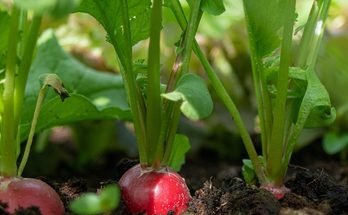
Consider vegetables that your household actually enjoys eating. There is little benefit in spending time growing a crop that nobody wants to use. Beginners often have success with crops such as lettuce, spinach, radishes, beans, carrots, cucumbers, tomatoes, and green onions, depending on the local climate and growing season.
Think about how much space each vegetable needs. Some plants remain relatively compact, while others spread or climb. Cucumbers and climbing beans, for example, may benefit from a trellis or other support.
It is also helpful to check the recommended planting season for your region. Vegetable-growing calendars vary considerably depending on climate. A crop that performs well during cool weather may struggle during extreme heat, while warm-season vegetables may grow poorly in cold conditions.
Prepare Healthy Soil
Healthy soil is the foundation of a productive vegetable garden. Plants depend on soil for water, nutrients, oxygen, and physical support. Before planting, take some time to improve the condition of your soil.
Start by removing weeds, stones, and unwanted plant material from the planting area. Loosen compacted soil with a garden fork or suitable hand tool. Avoid working extremely wet soil because doing so can damage its structure.
Adding well-decomposed organic matter can improve many types of garden soil. Compost is a popular option because it can add organic material and support better soil structure. Well-rotted manure may also be used where appropriate, provided it is properly prepared and suitable for gardening.
The goal is not simply to create loose soil. Good garden soil should retain enough moisture for plants while still allowing excess water to drain away. It should also provide a supportive environment for beneficial organisms.
If you are unsure about your soil, a soil test can provide useful information about its pH and nutrient levels. Understanding your soil can help you make more informed decisions instead of adding products unnecessarily.
Choose Seeds or Seedlings
Vegetables can usually be started from seeds or young plants. Both approaches have advantages.
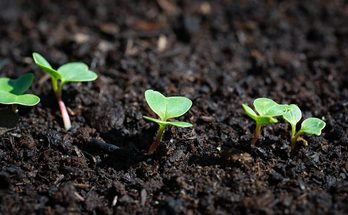
Growing from seed can be inexpensive and gives you access to many varieties. It also allows you to experience the complete process, from germination to harvest. However, seeds require proper moisture, temperature, planting depth, and care during their early stages.
Seedlings are young plants that have already started growing. They can be convenient for beginners because some of the most delicate early growth has already taken place. Purchasing healthy seedlings can also help shorten the time between planting and harvest.
When buying plants, look for healthy specimens with strong stems and healthy-looking leaves. Avoid plants that appear severely damaged, diseased, or unusually weak.
Always follow the instructions on the seed packet or plant label regarding planting depth, spacing, and timing. These instructions are often tailored to the specific crop and variety.
Plant at the Correct Depth and Spacing
Planting vegetables too deeply or too closely together can create problems later. Seeds generally need to be planted at a depth appropriate for their size and type. Small seeds are often planted shallowly, while larger seeds can usually be placed deeper.
Spacing is equally important. Plants need room for their roots, leaves, and stems to develop. Crowded plants may compete for sunlight, water, nutrients, and airflow.
Although it may be tempting to fit as many plants as possible into a small garden, giving each crop enough space usually results in healthier growth. Check the recommended spacing for each vegetable rather than using the same distance for every crop.
Some vegetables can also be planted in rows, blocks, or containers. Choose a layout that makes watering, weeding, harvesting, and general maintenance convenient.
Water Your Garden Properly
Water is essential for vegetable growth, but more water is not always better. Both underwatering and overwatering can cause problems.
Newly planted seeds and seedlings usually need consistent moisture while they establish themselves. The soil should generally remain appropriately moist without becoming continuously saturated.
Watering in the morning is often a practical choice because it gives plants time to absorb moisture before the hottest part of the day. It can also help leaves dry if they become wet.
Instead of watering automatically every day, check the soil and consider the weather. Hot, dry, or windy conditions may increase the need for water, while rainy periods may reduce it.
Water the soil around the base of plants rather than unnecessarily wetting the foliage. A gentle stream can help prevent soil from being washed away and protect young seedlings.
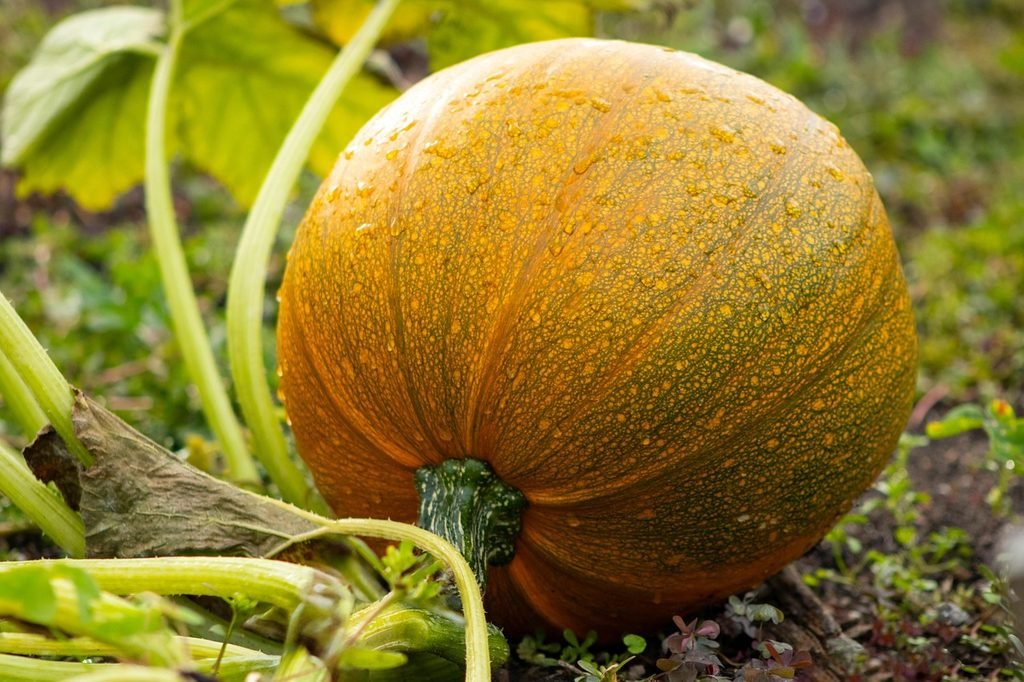
Use Mulch to Protect the Soil
Mulching can be a simple way to make vegetable gardening easier. A suitable layer of organic mulch around plants can help reduce moisture loss, suppress some weeds, and protect the soil surface from excessive temperature changes.
Common organic mulch materials include clean straw, dried leaves, and other appropriate plant-based materials. Avoid placing thick layers directly against plant stems because excessive moisture around the stem can create problems.
Mulch should be applied after plants are established and the soil has warmed appropriately for the season. The exact material and amount should depend on local conditions and the type of crop being grown.
Keep Weeds Under Control
Weeds compete with vegetables for sunlight, water, nutrients, and space. Fortunately, controlling them does not have to be difficult if you start early.
Inspect your garden regularly and remove small weeds before they become large and difficult to manage. Hand weeding is often practical in a small garden. A hoe can also be useful for maintaining larger planting areas.
Mulch can reduce the number of weeds that emerge, making maintenance easier. However, no mulch eliminates weeds completely, so regular observation remains important.
Be careful when removing weeds around young vegetables. Pulling aggressively or digging too deeply can disturb plant roots.
Protect Plants From Pests
Garden pests are a normal part of growing vegetables. Finding a few insects does not automatically mean your garden is in trouble. The first step is to identify the problem before taking action.
Inspect leaves, stems, and the soil around plants regularly. Look for unusual holes, discoloration, damaged leaves, or insects. Early detection often makes problems easier to manage.
Encouraging beneficial insects and maintaining healthy plants can support a balanced garden environment. Good spacing and airflow can also reduce conditions that encourage certain plant diseases.
Avoid using garden treatments without understanding what problem they are intended to solve. If a pest or disease appears, identify it as accurately as possible and choose an appropriate control method according to the product label and local recommendations.
Feed Your Vegetables When Necessary
Vegetables need nutrients to produce healthy leaves, roots, flowers, and fruits. However, fertilizing without understanding what your plants need can be counterproductive.
Starting with healthy soil and adding appropriate organic matter can provide a useful foundation. Some crops are heavier feeders than others and may benefit from additional nutrients during the growing season.
If you use a commercial fertilizer, follow the label instructions carefully. More fertilizer does not necessarily mean faster or healthier growth. Excess nutrients can damage plants and may also contribute to environmental problems.
A soil test can be particularly useful if plants consistently appear weak or growth is poor despite adequate sunlight and water.
Give Plants Proper Support
Some vegetable plants naturally grow upright, while others spread across the ground or climb. Providing support can help keep certain crops organized and improve access to sunlight and airflow.
Tomatoes may benefit from cages, stakes, or other suitable supports. Climbing beans and some cucumber varieties can grow well on a trellis.
Install supports early when possible. Adding them after plants have become large can disturb their roots or damage stems.
Make sure supports are strong enough for mature plants and their fruit. Regularly check growing vines and stems and gently guide them where necessary.
Learn to Harvest at the Right Time
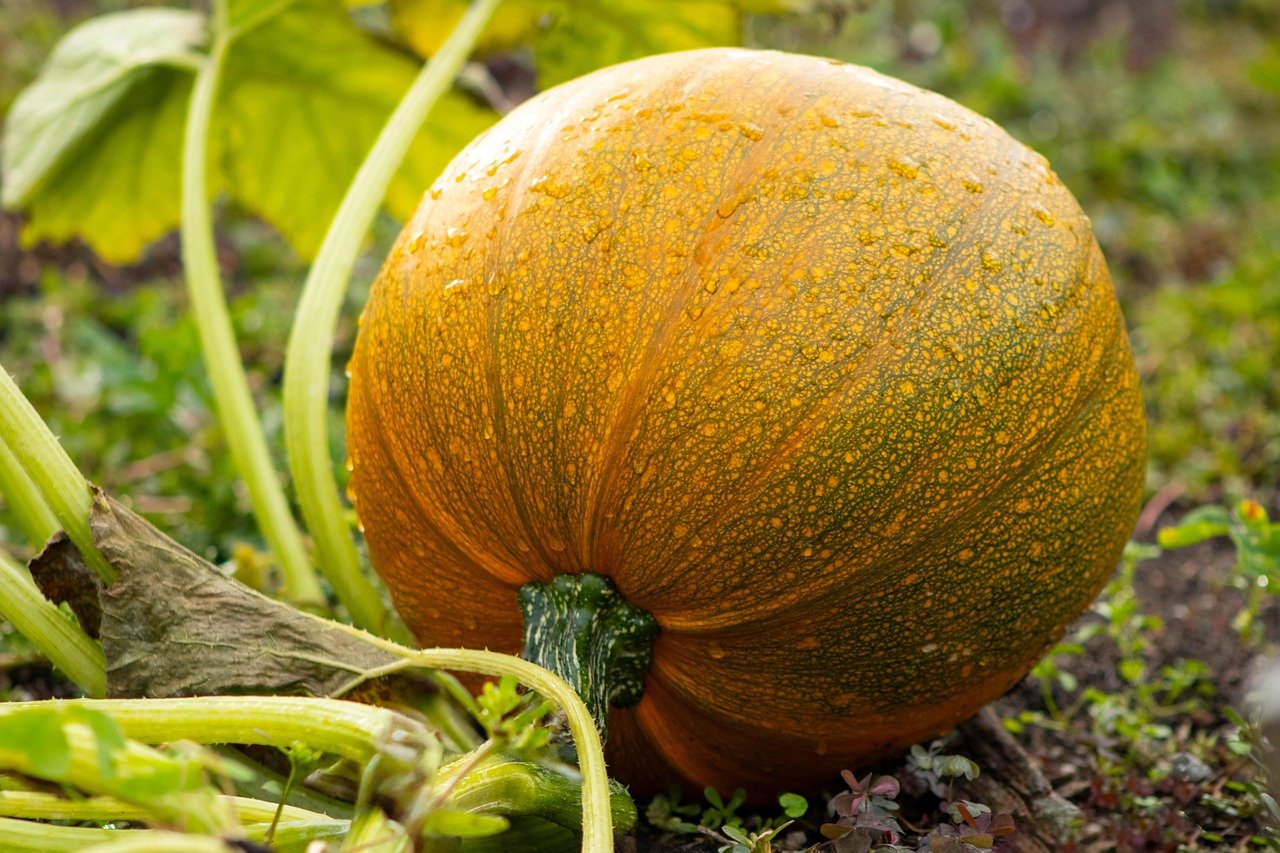
Harvesting is one of the most enjoyable parts of vegetable gardening. Picking vegetables at the appropriate stage can encourage continued production for some crops and improve freshness.
Leafy vegetables can often be harvested gradually by taking outer leaves while allowing the plant to continue growing. Beans are commonly harvested while they are still tender. Cucumbers are usually picked before they become excessively large and bitter.
Tomatoes can be harvested according to variety and preference, often when they have developed their characteristic color and firmness. Root vegetables can be harvested when they reach a useful size.
Read about each crop before harvesting so you know what mature produce should look and feel like. With experience, you will become better at recognizing the ideal harvest stage.
Keep a Simple Gardening Record
A gardening notebook can be surprisingly useful for beginners. Record when you planted each vegetable, where it was planted, and how it performed.
You can also write down observations about watering, weather, pests, diseases, and harvest dates. These notes can help you understand what worked and what needs improvement.
Gardening is a learning process. Conditions can change from one season to another, so keeping records gives you a reference for future planting decisions.
Over time, you may discover which vegetables perform best in your particular garden and which varieties are worth growing again.
Common Beginner Mistakes to Avoid
New gardeners often make a few predictable mistakes. One is starting with a garden that is too large. A smaller garden is easier to maintain and can help you build confidence.
Another mistake is planting without considering sunlight. Even excellent soil cannot compensate for a location that does not provide enough light for a sun-loving crop.
Overwatering is another common issue. Plants need water, but constantly wet soil can create root problems. Check the soil before watering and adjust your routine according to weather conditions.
Ignoring spacing recommendations can also lead to overcrowding. Give plants enough room to grow and maintain airflow.
Finally, do not become discouraged by failure. Some seeds may not germinate, some plants may struggle, and pests may occasionally appear. Every gardening mistake can teach you something valuable about your growing conditions.
Start Small and Grow With Experience
The best vegetable garden for a beginner is one that you can manage comfortably. You do not need to grow dozens of crops during your first season.
Start with a few vegetables that are suitable for your climate and available space. Learn how each one grows, observe your soil and weather, and develop a regular routine for watering, weeding, and harvesting.
Once you understand the basics, you can gradually experiment with additional crops, different varieties, containers, raised beds, or more advanced gardening techniques.
Remember that successful gardening is not about achieving perfection. It is about observing, learning, and improving with every growing season.
Final Thoughts
Starting a vegetable garden may seem complicated at first, but the basic principles are straightforward. Choose a suitable location, prepare healthy soil, select vegetables that fit your climate and space, provide consistent care, and monitor your plants regularly.
The most important thing is to begin. Even a small collection of containers can become a productive garden and provide valuable experience. As your confidence grows, you can expand your garden and experiment with new vegetables and techniques.
With patience and attention, your first garden can become more than a source of fresh produce. It can become a rewarding hobby that connects you with nature and teaches you something new throughout every season.