Growing carrots in containers is an excellent way to enjoy fresh, homegrown vegetables even if you do not have a traditional garden. Whether you have a balcony, patio, rooftop, windowsill, or a small outdoor space, carrots can grow successfully in pots when they receive suitable soil, sunlight, water, and care.
One of the biggest advantages of container gardening is that you have better control over the growing environment. You can choose the soil, improve drainage, protect plants from some garden pests, and place containers where they receive enough sunlight. Carrots are particularly suitable for containers because they do not require a large garden bed.
However, carrots need enough depth and loose soil to develop their roots properly. Choosing the right container and carrot variety is therefore more important than simply planting seeds in any available pot.
This guide explains everything you need to know about growing carrots in containers, from selecting the right pot and preparing the soil to planting, watering, thinning, feeding, harvesting, and troubleshooting common problems.
Why Grow Carrots in Containers?
Container-grown carrots offer several benefits for beginner gardeners. First, you do not need a large amount of space. A single deep container can produce a useful harvest of fresh carrots.
Containers also allow you to create the type of growing medium carrots prefer. Garden soil can sometimes be heavy, compacted, or filled with stones. Such conditions can cause carrot roots to become short, twisted, or forked. With containers, you can use a loose, well-draining mixture that gives the roots plenty of room to grow.
Another benefit is convenience. Containers can be moved to a sunnier location when necessary. They can also be raised above ground level, making planting and harvesting easier for people who find traditional gardening uncomfortable.
Most importantly, growing carrots yourself allows you to enjoy crisp roots that are harvested when they are fresh and at their best.
Choose the Right Carrot Variety
Not all carrots are equally suitable for container gardening. Long-rooted varieties can require a very deep growing space, while shorter varieties are usually easier to manage in pots.
For container gardening, consider varieties that produce shorter or medium-length roots. Chantenay, Paris Market, and other compact types are often good choices because they can develop successfully in containers with appropriate depth.
Before buying seeds, check the expected mature root length and choose a variety that matches the depth of your container.
If you are a beginner, starting with a shorter variety can make the process easier. Once you become comfortable with container carrots, you can experiment with different shapes, sizes, and colors.
Select the Right Container
The container is one of the most important parts of growing carrots successfully. Carrot roots grow downward, so a shallow pot can restrict development.
Choose a container that is deep enough for the variety you plan to grow. As a general guideline, a container around 12 inches deep can work well for many shorter varieties, while longer varieties may require considerably more depth.
The container should also have drainage holes at the bottom. Good drainage prevents excess water from remaining around the roots and reduces the risk of root problems.
You can use plastic pots, fabric grow bags, wooden planters, buckets designed for gardening, or other food-safe containers. The material is less important than adequate depth and drainage.
Avoid containers that have previously held chemicals, paints, or other potentially harmful substances.
Prepare the Perfect Soil
Carrots prefer loose, fertile, well-draining soil. The growing medium should allow their roots to push downward without meeting compacted soil, large stones, or hard clumps.
A suitable container mixture can include quality potting soil combined with compost and another material that improves drainage and structure.
Avoid using heavy garden soil by itself. It may become compacted inside a container and make it difficult for carrot roots to grow straight.
The soil should also be reasonably fine. Remove large stones, pieces of wood, or hard lumps before planting. Even small obstacles can cause developing roots to split or grow in unusual shapes.
Do not add excessive amounts of fresh manure. It can contain high levels of nutrients and may contribute to excessive foliage or irregular roots. Well-rotted compost is generally a better option for improving the growing medium.
Find a Sunny Location
Carrots grow best when they receive plenty of sunlight. Place your container in a location where the plants can receive several hours of direct sunlight each day.
A sunny balcony, patio, rooftop, or garden area can work well. If your growing space receives only partial sunlight, carrots may still grow, but development can be slower and the roots may not reach their full potential.
Observe your space before planting. Buildings, walls, trees, and other containers can create shadows that change throughout the day.
If possible, choose a location that receives good morning and afternoon sunlight while still providing protection from extreme conditions.
When to Plant Carrots
Carrots are generally considered a cool-season crop, although planting times vary depending on your local climate.
They can often be grown during cooler parts of the year. In areas with mild winters, gardeners may be able to grow carrots during much of the cool season. In warmer climates, it is usually better to avoid the hottest periods.
Carrot seeds can take some time to germinate, especially if the soil becomes too dry. Moderate temperatures and consistent moisture help create better conditions for germination.
Rather than planting your entire container at once, you can sow seeds at intervals. This technique, called succession planting, can provide several smaller harvests instead of having all your carrots mature at the same time.
How to Plant Carrot Seeds
Start by filling your clean container with prepared growing medium. Leave a small amount of space near the top so water does not immediately wash soil out of the container.
Level the surface gently without pressing the soil too firmly.
Scatter the carrot seeds thinly across the surface or place them individually with enough space between them. Carrot seeds are small, so it can be difficult to distribute them perfectly.
Cover the seeds with a very thin layer of fine soil. Avoid planting them too deeply because tiny seedlings may struggle to reach the surface.
Water gently using a watering can with a fine rose or a gentle spray. Strong streams of water can move the seeds around and cause uneven germination.
Keep the soil consistently moist while waiting for the seeds to sprout.
Be Patient During Germination
One challenge of growing carrots is that the seeds may take longer to germinate than some common garden vegetables.
During this period, the most important thing is to prevent the soil surface from drying out completely. At the same time, avoid keeping the container saturated with water.
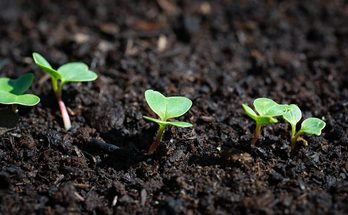
Check the container regularly. Once seedlings begin appearing, continue providing gentle care.
If some areas are crowded and others are empty, do not worry too much. You can thin the seedlings once they become easier to handle.
Thin the Seedlings
Thinning is one of the most important steps when growing carrots.
If carrot seedlings are growing too close together, their roots compete for space, water, and nutrients. Crowded plants are more likely to produce small or poorly shaped carrots.
Once the seedlings are large enough to handle, carefully remove some of the weaker or overcrowded plants.
Aim to leave enough space between remaining seedlings for the roots to develop. The exact spacing depends on the carrot variety and the size of the roots you want.
Do not pull aggressively, because disturbing neighboring seedlings can damage their young roots. Instead, gently remove unwanted seedlings from the soil.
Although thinning may feel wasteful, it is an important step toward producing healthier carrots.
Water Carrots Consistently
Carrots need consistent moisture, particularly while seeds are germinating and roots are developing.
Container soil can dry out faster than soil in a garden bed, especially during hot or windy weather. Check the moisture level regularly by touching the surface of the growing medium.
Water when the soil begins to dry rather than following a rigid schedule.
When watering, apply enough water to moisten the growing medium thoroughly, but allow excess water to drain through the holes at the bottom.
Avoid constantly keeping the soil waterlogged. Excess moisture can create unfavorable conditions for healthy root development.
During hot weather, containers may require more frequent watering. During cooler or rainy periods, they may need less.
Feed Your Carrots Carefully
Carrots do not require excessive fertilization. Too much nitrogen can encourage leafy growth while producing less desirable roots.
If you start with a good-quality potting mix containing mature compost, additional feeding may be limited.
If the plants appear weak or the growing medium is low in nutrients, a mild, balanced fertilizer can be used according to the product’s instructions.
Always avoid applying more fertilizer than recommended. More fertilizer does not automatically mean larger or better carrots.
A healthy balance of nutrients, moisture, sunlight, and root space is more important than heavy feeding.
Keep the Soil Loose
As carrots develop, the soil should remain loose and free from hard crusts.
Avoid frequent deep cultivation around established carrot seedlings because disturbing their roots can affect development.
If the surface becomes compacted, gently loosen only the very top layer without digging deeply around the plants.
A layer of suitable organic mulch can also help maintain moisture and reduce rapid drying. However, do not bury young carrot seedlings under thick mulch.
Protect Carrots From Pests
Container gardening can reduce some pest problems, but it does not make plants completely pest-free.
Inspect your carrot plants regularly. Look for damaged leaves, holes, discoloration, insects, or signs of unusual growth.
If you notice pests, identify the problem before choosing a treatment. Simple measures such as removing visible insects by hand or improving airflow may sometimes be enough.
Keeping the growing area clean can also help. Remove dead leaves and plant debris instead of allowing them to accumulate around the container.
Avoid using unnecessary chemical treatments, especially on edible crops. If a pest problem becomes serious, choose a treatment specifically labeled for the crop and follow the instructions carefully.
Common Problems When Growing Carrots in Pots
Even with good care, container carrots can sometimes develop problems. Understanding the causes can help you make corrections early.
Carrots Are Forked or Twisted
Forked or unusually shaped carrots are often caused by obstacles in the soil. Stones, hard lumps, or compacted growing media can force the root to grow around them.
The solution is to use fine, loose soil and remove debris before planting.
Carrots Are Very Small
Small carrots can result from overcrowding, insufficient growing time, limited root space, poor sunlight, or unsuitable growing conditions.
Check whether seedlings were thinned properly and make sure the container is deep enough for your chosen variety.
Leaves Are Growing but Roots Are Small
Excess nitrogen can encourage strong leaf growth without producing the desired root development.
Overcrowding and insufficient sunlight can also contribute. Review your fertilizer use, plant spacing, and container location.
Seeds Are Not Germinating
Dry soil is one common reason carrot seeds fail to germinate properly. Seeds need consistent moisture during the germination period.
Planting too deeply or using very old seeds can also cause problems.
Keep the soil lightly moist and avoid allowing the surface to become hard and dry.
Soil Dries Out Too Quickly
Containers lose moisture more rapidly than garden beds. Small containers, dark-colored pots, strong sunlight, wind, and hot temperatures can all increase water loss.
Consider using a larger container, adding suitable mulch, or moving the pot to a location with less intense heat during the hottest part of the day.
When Are Carrots Ready to Harvest?
One of the most enjoyable parts of growing carrots is harvesting them.
The time required depends on the variety and growing conditions. Instead of relying only on a specific number of days, observe the plants and check the size of the developing roots.
You can gently move aside a small amount of soil near the top of a root to see how large it has become.
Some carrots are best harvested while they are relatively young and tender, while others can remain in the soil longer.
If you are uncertain, harvest one carrot as a test. If it has reached a useful size and tastes good, you can harvest more.
How to Harvest Container-Grown Carrots
Watering the container lightly before harvesting can make the soil easier to work with, especially if it has become dry.
Grip the carrot near the base of its leaves and pull gently upward. If the root does not come out easily, loosen the surrounding soil carefully.
Avoid pulling extremely hard because the foliage can break away from the root.
Once harvested, remove excess soil and trim the leafy tops if you are not using them immediately. Store the carrots according to your household’s preferred method.
Freshly harvested carrots can be used in salads, soups, roasted dishes, stews, juices, and many other recipes.
Can You Grow Carrots More Than Once?
Yes. Once one crop has been harvested, the container can be prepared for another crop.
Remove old roots and plant material, check the growing medium, and replenish it with fresh compost or quality potting mix if necessary.
If the previous plants experienced a serious pest or disease problem, clean the container thoroughly before reusing it.
Succession planting is another excellent strategy. Instead of sowing all your seeds on one day, plant smaller batches every few weeks during a suitable growing season.
This approach can provide a steady supply of young carrots over a longer period.
Tips for Growing Better Carrots in Containers
A few simple practices can make a significant difference in your results.
Choose a carrot variety that matches your container depth. Use loose, fine soil without large stones. Provide plenty of sunlight and keep moisture consistent.
Thin seedlings early enough to prevent serious overcrowding. Avoid excessive fertilizer, especially high-nitrogen products.
Check plants regularly rather than waiting until a problem becomes obvious. Container gardening gives you an opportunity to notice changes quickly because the growing environment is easy to inspect.
Finally, do not become discouraged if your first crop does not produce perfectly shaped carrots. Homegrown carrots can be surprisingly varied in appearance, and unusual shapes are often simply a result of growing conditions rather than a sign that the crop has failed.
Frequently Asked Questions
How deep should a container be for carrots?
The required depth depends on the variety. Shorter carrot varieties can grow in relatively shallow containers, while long varieties need deeper pots. A container around 12 inches deep is a useful starting point for many compact varieties, but always check the mature root length of the variety you choose.
Can carrots grow in pots on a balcony?
Yes. Carrots can grow successfully on balconies as long as the container has enough depth, good drainage, suitable soil, and sufficient sunlight.
How often should I water container carrots?
Water whenever the growing medium begins to dry. The exact frequency depends on temperature, sunlight, wind, container size, and the type of growing medium. During hot weather, containers may require more frequent watering.
Do carrots need full sunlight?
Carrots generally perform best with plenty of sunlight. Aim to provide several hours of direct sunlight each day for healthy growth and good root development.
Can I grow carrots from supermarket carrots?
A carrot root purchased from a store cannot normally be replanted to produce another edible carrot. You need carrot seeds to grow new roots. The leafy tops may sometimes regrow leaves, but this is different from growing a new carrot root.
Why are my carrots growing leaves but no large roots?
Several factors can cause this, including overcrowding, insufficient root space, inadequate sunlight, excessive nitrogen, or simply not allowing enough time for the roots to mature.
Final Thoughts
Growing carrots in containers is a rewarding project that does not require a large garden. With a suitably deep container, loose soil, good drainage, regular moisture, and enough sunlight, even beginner gardeners can produce a healthy crop.
The key is to give the roots enough room to develop. Choosing the right variety is just as important as selecting the container. Avoid compacted soil, thin seedlings when necessary, and maintain consistent growing conditions throughout the season.
Most importantly, be patient. Carrots develop beneath the soil, so much of their progress happens where you cannot see it. Once harvest time arrives, pulling a fresh carrot from your own container can be one of the most satisfying experiences in vegetable gardening.
With a little planning and regular care, container-grown carrots can provide a fresh, practical, and enjoyable addition to your home garden.