Growing spinach at home is one of the easiest ways to enjoy fresh, nutritious greens straight from your garden, balcony, terrace, or even a sunny windowsill. Spinach grows relatively quickly, does not require a large amount of space, and can be harvested several times from the same plants when cared for properly.
Whether you are a beginner or an experienced gardener, growing spinach at home can be a rewarding experience. With the right soil, suitable temperatures, regular watering, and adequate sunlight, you can produce healthy spinach leaves throughout the growing season.
This guide explains everything you need to know about growing spinach at home, from choosing seeds and preparing the soil to watering, fertilizing, harvesting, and solving common problems.
Why Grow Spinach at Home?
Spinach is a popular leafy vegetable because it is versatile, fast-growing, and relatively easy to cultivate. Homegrown spinach can also be harvested when the leaves are young and tender, making it ideal for salads, sandwiches, soups, curries, smoothies, and cooked dishes.
Another advantage is that spinach can be grown in small spaces. You do not necessarily need a traditional garden. A few containers, pots, or raised beds can provide enough space for a useful harvest.
Growing your own spinach also allows you to control how the plants are cared for. You can use compost and natural soil amendments while reducing unnecessary chemical treatments.
Choose the Right Location
The first step in growing healthy spinach is selecting a suitable location. Spinach generally prefers a bright area with plenty of sunlight, although it can appreciate some afternoon shade in warmer climates.
A location receiving around four to six hours of sunlight is often suitable. In cooler weather, spinach can tolerate more sunlight. During hot weather, however, some protection from intense afternoon heat can help prevent the plants from becoming stressed.
If you are growing spinach indoors, place the containers near a bright window where the plants can receive adequate natural light.
Good air circulation is also important. Avoid placing containers in a cramped area where air remains stagnant for long periods. Proper airflow helps leaves dry after watering and can reduce the risk of certain fungal problems.
Select a Suitable Spinach Variety
There are several types of spinach available, and choosing a variety suited to your local climate can make growing easier.
Some varieties produce smooth leaves, while others have crinkled or savoy-type leaves. Baby-leaf varieties are particularly useful for gardeners who want to harvest young leaves for salads.
When selecting seeds, consider the growing season and temperature in your area. Spinach generally performs best during cool weather. If temperatures are consistently hot, plants may grow quickly and begin producing flower stalks, a process known as bolting.
For the best results, choose seeds from a reliable gardening supplier and check the seed packet for recommended planting conditions.
When to Plant Spinach
Timing is one of the most important factors when growing spinach.
Spinach is considered a cool-season crop. It generally performs best when temperatures are mild rather than extremely hot. Depending on your climate, you may be able to grow spinach in autumn, winter, early spring, or during another naturally cool period.
In warmer regions, gardeners often grow spinach during the cooler months. In areas with mild winters, spinach can continue producing leaves for an extended period.
Avoid planting during the hottest part of the year unless you have a variety that tolerates warmer conditions and can provide shade.
Prepare the Soil
Healthy soil provides the foundation for productive spinach plants. Spinach prefers fertile, well-draining soil that holds enough moisture without becoming waterlogged.
Before planting, loosen the soil to a depth of approximately 15 to 20 centimeters. Remove stones, weeds, roots, and other debris that could interfere with root development.
Add mature compost or well-rotted organic matter to improve soil structure and fertility. Compost can provide nutrients while helping the soil retain moisture.
The soil should remain loose and crumbly. Heavy soil that stays saturated after watering can cause root problems, while extremely sandy soil may dry out too quickly.
If you are growing spinach in containers, use a quality potting mix rather than ordinary garden soil alone. A mixture containing compost and other materials that improve drainage can work well.
Choose the Right Container
Spinach grows well in containers, making it an excellent choice for balconies, patios, rooftops, and small gardens.
Choose a container with drainage holes at the bottom. Poor drainage can cause water to collect around the roots and increase the risk of root problems.
A container approximately 15 to 20 centimeters deep can be suitable for spinach, although deeper containers can also be used. The important thing is to provide enough room for roots to develop while ensuring excess water can escape.
You can grow several plants in a larger container as long as they have enough space between them. Avoid overcrowding because crowded plants compete for light, water, nutrients, and air circulation.
How to Plant Spinach Seeds
Spinach is usually grown directly from seed. It does not always need to be started indoors and transplanted later.
Begin by preparing the soil and creating shallow planting rows. Place the seeds roughly 1 to 2 centimeters deep and cover them lightly with soil.
Keep the soil gently moist after planting. Avoid flooding the container or garden bed because excessive water can disturb the seeds and reduce germination.
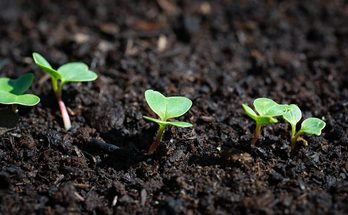
Depending on temperature, moisture, and seed quality, spinach seeds may begin to germinate within several days to a couple of weeks.
Once seedlings appear, make sure they receive adequate light. Weak, stretched seedlings are often a sign that the plants are not receiving enough sunlight.
Give Plants Enough Space
Proper spacing allows spinach plants to develop healthier leaves and improves airflow.
When seedlings become established, thin crowded areas by carefully removing weaker seedlings. The exact spacing can vary depending on whether you plan to harvest baby leaves or allow plants to mature.
For baby spinach, plants can generally be grown closer together because the leaves are harvested young. For larger mature plants, give them more room.
Instead of throwing away every plant removed during thinning, young edible seedlings can sometimes be added to salads or other dishes, provided they have been grown under clean conditions.
Watering Spinach Plants
Consistent moisture is essential for good spinach growth. The soil should remain slightly moist but should not stay soaked.
Check the soil regularly by touching the surface with your finger. If the upper layer feels dry, it is usually time to water.
Water slowly around the base of the plants so that moisture reaches the roots. Avoid repeatedly soaking the leaves, especially late in the day.
Container-grown spinach may require more frequent watering because containers can dry out faster than garden beds.
During hot weather, monitor your plants carefully. Excessive heat combined with dry soil can stress spinach and encourage premature bolting.
Fertilizing Spinach
Spinach grows best in fertile soil, but excessive fertilizer is not necessary.
If you have incorporated plenty of mature compost before planting, the plants may have enough nutrients for much of their growing period.
If growth appears weak or leaves are unusually pale, a balanced vegetable fertilizer can be applied according to the product instructions. Avoid applying excessive amounts of fertilizer because more is not always better.
Too much fertilizer can contribute to excessive leafy growth or create nutrient imbalances. Always follow the recommended application rate on the fertilizer package.
Organic options such as compost or well-rotted manure can also help maintain soil fertility when used properly.
Keep the Garden Free of Weeds
Weeds compete with spinach plants for water, nutrients, sunlight, and growing space.
Remove weeds regularly while they are still small. Hand-pulling is often enough in a small home garden.
Be careful when weeding around young spinach because its roots can be disturbed easily. Instead of digging deeply near established plants, gently remove weeds from the surface.
A thin layer of organic mulch around plants can help reduce weed growth and conserve soil moisture. However, keep mulch slightly away from the stems to maintain good airflow.
Protect Spinach From Pests
Although spinach is generally easy to grow, several pests may occasionally attack the leaves.
Common garden pests can include aphids, caterpillars, leaf miners, and slugs, depending on your location.
Inspect your plants regularly. Look underneath leaves and around new growth because pests can sometimes remain hidden.
If you notice a small number of insects, manually removing them may be enough. Damaged or heavily affected leaves can also be removed.
Encouraging beneficial insects and maintaining a diverse garden can support natural pest control. Avoid using broad-spectrum pesticides unnecessarily, particularly on vegetables that you intend to eat.
If a pest problem becomes serious, identify the pest first and then choose an appropriate treatment according to the product label and local gardening recommendations.
Prevent Common Spinach Diseases
Good growing conditions can reduce many disease problems.
Overwatering, poor drainage, crowded plants, and inadequate airflow can create conditions that encourage fungal diseases.
Water the soil rather than constantly wetting the foliage. Give plants adequate spacing and remove severely damaged leaves.
If you are growing spinach in containers, always use clean containers with drainage holes. Avoid allowing old plant debris to accumulate around the plants.
Crop rotation can also help when growing spinach repeatedly in the same garden area. Moving leafy crops to different sections of the garden can reduce the buildup of certain soil-related problems.
Dealing With Bolting
One of the biggest challenges when growing spinach is bolting.
Bolting occurs when spinach begins producing a flower stalk instead of focusing on leaf production. Warm temperatures, long daylight periods, and plant stress can encourage this process.
Once spinach bolts, its leaves may become smaller, tougher, or more bitter.
The best way to reduce bolting is to grow spinach during the cooler part of the year. Keep plants adequately watered and provide shade during unusually warm periods.
If a plant has already bolted, you can harvest the remaining tender leaves. Some gardeners also allow the plant to flower and produce seeds for future planting.
How to Harvest Spinach
One of the best things about growing spinach at home is that you do not always have to harvest the entire plant at once.
For baby spinach, pick individual young leaves when they reach a useful size. Harvesting outer leaves allows the center of the plant to continue producing new growth.
For mature spinach, larger leaves can be harvested as needed. Use clean scissors or gently pinch leaves near their base.
Harvesting in the morning can help preserve freshness, especially when temperatures are higher later in the day.
Avoid taking too many leaves from a single plant at one time. Leaving enough foliage allows the plant to continue photosynthesis and produce additional growth.
How to Harvest Spinach Seeds
If you want to save spinach seeds, allow some plants to mature rather than harvesting every leaf.
Spinach plants can eventually produce flower stalks and seeds. Once the seeds have matured and dried, they can be collected and stored in a cool, dry place.
However, keep in mind that seeds saved from hybrid varieties may not produce plants identical to the parent plant. For reliable results, gardeners who save seeds often prefer open-pollinated varieties.
Store completely dry seeds in a labeled container and protect them from moisture and excessive heat.
Growing Spinach in Pots
Container gardening is particularly convenient for beginners.
Choose a container with drainage holes and fill it with a quality growing medium. Scatter seeds across the surface according to the spacing recommended for the variety, cover them lightly, and water gently.
Place the container in a location with suitable sunlight. Monitor moisture more frequently than you would in a garden bed because pots can dry out quickly.
A large rectangular planter can be especially useful because it provides a wider growing area while remaining easy to manage.
You can also stagger your planting. Instead of sowing all your seeds on one day, plant a small amount every couple of weeks during the suitable growing season. This can provide a more continuous supply of fresh leaves.
Growing Spinach in Small Spaces
You do not need a large backyard to grow spinach.
A balcony, patio, rooftop, or sunny window can provide enough room for several containers. Vertical gardening systems can also be adapted for leafy vegetables, provided the containers offer enough root space and receive adequate light.
If you have limited space, focus on baby-leaf production. Baby spinach can be harvested relatively young, allowing you to grow more plants within a small area.
Keep containers organized so that each plant receives sufficient light and air circulation.
Tips for Growing Healthier Spinach
A few simple practices can make a significant difference in your harvest.
First, plant spinach during a suitable cool period rather than trying to force it through extreme heat. Second, maintain consistent soil moisture without creating waterlogged conditions. Third, provide fertile soil with plenty of organic matter.
Inspect your plants regularly for pests and signs of disease. Early detection makes problems much easier to manage.
Finally, harvest leaves regularly. Frequent harvesting can encourage continued production while giving you a steady supply of fresh greens.
Common Mistakes to Avoid
Beginners often make a few simple mistakes when growing spinach.
Planting in extreme heat: Spinach prefers cool conditions, and high temperatures can encourage bolting.
Overwatering: Constantly wet soil can damage roots and create disease-friendly conditions.
Poor drainage: Containers without drainage holes can quickly become waterlogged.
Overcrowding: Plants that are too close together may have poor airflow and compete for resources.
Using poor-quality soil: Spinach needs fertile soil to produce healthy foliage.
Waiting too long to harvest: Older leaves may become tougher, particularly when plants are approaching bolting.
Avoiding these common problems can make spinach gardening much easier.
Frequently Asked Questions
How long does spinach take to grow?
Baby spinach leaves can often be harvested within a few weeks under suitable conditions. Mature plants take longer. The exact timing depends on the variety, temperature, sunlight, soil, and care.
Can spinach grow in pots?
Yes. Spinach is an excellent container crop. Use a container with drainage holes, fertile potting mix, adequate sunlight, and consistent moisture.
Does spinach need full sun?
Spinach benefits from good sunlight but can tolerate some partial shade. In hot climates, protection from strong afternoon sunlight can help reduce heat stress.
How often should spinach be watered?
Water when the soil begins to dry, keeping it consistently moist but not saturated. Container plants may need more frequent watering than plants growing in garden beds.
Can I harvest spinach more than once?
Yes. You can harvest outer leaves while allowing the center of the plant to continue producing new leaves. This provides multiple harvests from the same plant.
Why is my spinach flowering?
Flowering, or bolting, is commonly triggered by warm temperatures and longer daylight. Growing spinach during cooler weather and keeping plants adequately watered can help delay bolting.
Final Thoughts
Growing spinach at home is a simple and rewarding gardening project. With fertile, well-drained soil, suitable sunlight, regular watering, and the right planting season, even beginners can produce a healthy supply of fresh leaves.
The key is to understand that spinach is a cool-season vegetable. Give it the conditions it prefers, keep the soil consistently moist, protect plants from extreme heat, and harvest leaves regularly.
Whether you have a spacious backyard or only a few containers on a balcony, spinach can fit easily into a home garden. Start with a small planting, learn how your plants respond to your local conditions, and gradually increase the number of plants as your confidence grows.
With a little attention and patience, you can turn a few packets of seeds into fresh, homegrown spinach for your kitchen. Growing your own vegetables is not only practical but also an enjoyable way to connect with nature and make better use of your available space.