Cucumbers are one of the easiest and most rewarding vegetables to grow at home. They grow quickly, produce fresh and crisp fruits, and can thrive in a garden, raised bed, or even a large container. With the right amount of sunlight, water, fertile soil, and support, you can enjoy a healthy cucumber harvest throughout the growing season.
Whether you are a beginner gardener or already have experience growing vegetables, learning a few basic cucumber-growing techniques can make a big difference. This guide explains everything you need to know, from choosing seeds and preparing the soil to watering, feeding, supporting, and harvesting your plants.
Why Grow Cucumbers at Home?
Growing cucumbers at home has several advantages. Freshly picked cucumbers usually taste better and have a crisp texture that store-bought vegetables may not provide. You also have greater control over how your plants are grown and what products are used in your garden.
Cucumber plants are also fast-growing. Under suitable conditions, many varieties can produce their first harvest within several weeks of planting. Once the plants begin producing, regular harvesting can encourage them to continue developing new fruits.
Another advantage is variety. Garden centers and seed suppliers offer many types of cucumbers, including slicing cucumbers, pickling varieties, small cucumbers, and compact varieties suitable for containers.
Choose the Right Cucumber Variety
The first step toward a successful cucumber harvest is choosing a variety that suits your growing conditions and available space.
Cucumbers generally fall into two broad categories: bush types and vining types.
Bush cucumbers are more compact and can be a good choice for containers, balconies, patios, and smaller gardens. They usually require less space than traditional vines.
Vining cucumbers produce long stems and can spread across the ground or climb a trellis. They are an excellent choice if you want to make efficient use of vertical space.
When selecting seeds, also consider your intended use. Some varieties are especially suitable for fresh eating, while others are preferred for pickling. Look at the information on the seed packet for details about mature size, days to harvest, disease resistance, and recommended growing conditions.
Find the Best Location
Cucumbers grow best in a location that receives plenty of sunlight. Ideally, choose an area that receives around 6 to 8 hours of direct sunlight each day.
Good sunlight helps cucumber plants produce strong growth and supports flowering and fruit development. A location with insufficient light may result in weak vines, fewer flowers, and lower production.
Choose a spot with good air circulation as well. Crowded plants and poor airflow can create a humid environment that encourages certain fungal diseases.
If you are growing cucumbers in containers, place the containers where they can receive sufficient sunlight while also being protected from strong winds that could damage vines or topple the container.
Prepare the Soil Properly
Healthy soil is essential for productive cucumber plants. Cucumbers prefer fertile, well-draining soil that contains plenty of organic matter.
Before planting, loosen the soil to a depth of several inches and remove large stones, weeds, and debris. Mix in mature compost or other suitable organic matter to improve soil structure and provide nutrients.
Avoid planting cucumbers in soil that stays constantly wet. Although cucumber plants need regular moisture, waterlogged roots can become stressed and may develop problems.
If possible, check the soil before planting. Cucumbers generally perform well in soil that is slightly acidic to neutral, with a pH around 6.0 to 7.0.
When to Plant Cucumbers
Cucumbers are warm-season plants. They do not perform well in cold soil or freezing conditions.
Plant cucumber seeds outdoors after the danger of frost has passed and the soil has warmed. In warm climates, planting can often be timed around the beginning of the warm growing season.
For gardeners in hot regions, it is important to consider extreme summer temperatures. Very high temperatures can affect flowering and pollination. In such areas, gardeners may have better results by planting during a suitable warm period rather than waiting for the hottest part of the year.
You can also start seeds indoors several weeks before outdoor planting if you have a suitable growing environment. However, cucumber seedlings can be sensitive to root disturbance, so transplant them carefully.
How to Plant Cucumber Seeds
Cucumber seeds are relatively easy to sow directly into the garden.
Create shallow planting holes or rows in prepared soil. Place the seeds according to the spacing recommended on the seed packet and cover them lightly with soil.
Water gently after planting. Keep the soil consistently moist while the seeds are germinating, but avoid creating soggy conditions.
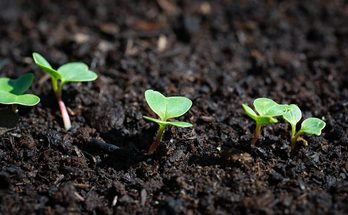
Under suitable conditions, cucumber seeds can germinate relatively quickly. Once seedlings emerge, give them adequate sunlight and enough room to grow.
If you are planting multiple cucumber plants, avoid placing them too close together. Good spacing improves airflow and gives the vines enough room to develop.
Growing Cucumbers in Containers
You do not need a large garden to grow cucumbers. Many varieties can be successfully grown in containers.
Choose a large container with drainage holes. A container that is too small may dry out quickly and restrict root development.
Fill the container with a high-quality potting mix rather than heavy garden soil. Plant a suitable compact or container-friendly cucumber variety.
Place the container in a sunny location and water whenever the soil begins to dry. Container-grown cucumbers may need more frequent watering than plants growing directly in the ground because containers lose moisture faster.
A trellis or other sturdy support can also be added to the container. Training the vines upward saves space and keeps fruits away from the soil.
Give Cucumber Plants Strong Support
Many cucumber varieties are vigorous vines that benefit from support.
A trellis, garden net, fence, or other sturdy structure can help the plant climb. Vertical growing has several benefits. It saves garden space, improves airflow, keeps fruits cleaner, and can make harvesting easier.
Install the support before the vines become large. This prevents you from disturbing the roots later.
As the cucumber vines grow, gently guide them toward the trellis. Avoid pulling or bending stems aggressively because cucumber vines can be damaged easily.
Water Cucumbers Consistently
Watering is one of the most important parts of cucumber care.
Cucumbers contain a high percentage of water, so plants need a reliable moisture supply during active growth and fruit production. Water deeply enough to moisten the root zone rather than giving the plants a very light sprinkle every day.
The exact watering frequency depends on your climate, soil type, rainfall, container size, and plant growth. Check the soil regularly and water when the upper layer begins to dry.
Morning is generally a good time to water. Applying water directly to the soil instead of repeatedly wetting the leaves can also help reduce the conditions that favor some leaf diseases.
Mulching around the plants can help the soil retain moisture and reduce temperature fluctuations.
Feed Your Plants Properly
Cucumbers are productive plants and need adequate nutrients to support vigorous vines and fruit development.
Adding compost before planting provides organic matter and nutrients. During the growing season, plants may benefit from a balanced vegetable fertilizer if the soil does not provide enough nutrition.
Avoid applying excessive amounts of nitrogen. Too much nitrogen can encourage large amounts of leafy growth while reducing fruit production.
Always follow the fertilizer manufacturer’s instructions and avoid applying more fertilizer than recommended. More fertilizer does not necessarily mean more cucumbers.
Mulch Around Cucumber Plants
Mulching is a simple technique that can make cucumber care easier.
Apply a layer of organic mulch around the plants while keeping it slightly away from the main stem. Suitable materials can include clean straw, shredded leaves, or compost.
Mulch helps conserve soil moisture, suppress weeds, and protect the soil from rapid temperature changes.
It can also reduce the amount of soil splashing onto leaves and fruits during watering or rain.
Help With Pollination
Pollination is essential for many cucumber varieties to produce fruit.
Cucumber flowers are commonly pollinated by bees and other insects. Avoid using broad-spectrum insecticides unnecessarily, particularly when flowers are open and pollinators are active.
Planting a variety of flowering plants nearby can help create a garden environment that attracts beneficial pollinating insects.
Sometimes cucumber plants produce many flowers but few fruits. This can happen when pollination is poor. In such cases, encouraging pollinator activity and maintaining healthy growing conditions can help.
Understand Cucumber Flowers
If you grow cucumbers for the first time, you may notice that some flowers appear without developing into cucumbers.
This is normal for many cucumber plants because they produce different types of flowers. Male flowers typically appear first on some varieties, while female flowers have a small immature cucumber behind the blossom.
A successfully pollinated female flower can develop into a mature cucumber. If a female flower is not properly pollinated, the small fruit may stop growing and eventually drop.
Do not become discouraged if the first flowers do not produce fruit. As the plant matures, flowering and fruit production can improve.
Common Cucumber Problems
Even easy-to-grow vegetables can experience problems. Recognizing them early can help protect your crop.
Yellowing Leaves
Older cucumber leaves may naturally turn yellow as they age, but widespread yellowing can indicate stress.
Possible causes include overwatering, poor drainage, nutrient deficiencies, pests, or disease.
Check the soil moisture, inspect the roots if appropriate, and examine the leaves carefully for insects or unusual markings.
Powdery Mildew
Powdery mildew can appear as a white, powdery coating on leaves. It is more common when conditions favor fungal growth.
Good spacing and air circulation can help reduce disease pressure. Remove badly affected plant material when appropriate and avoid creating excessive humidity around the foliage.
Cucumber Beetles
Cucumber beetles are small insects that can damage leaves, flowers, and stems. They may also contribute to the spread of certain plant diseases.
Inspect plants regularly, particularly young plants. Physical removal of visible pests can be useful in smaller gardens. Floating row covers can also provide protection early in the season, provided they are managed appropriately when pollination is required.
Aphids
Aphids are small insects that often gather on tender stems and the undersides of leaves. Heavy infestations can weaken plants.
Regularly inspect new growth. A strong stream of water can sometimes dislodge small numbers of aphids. Encouraging beneficial insects such as lady beetles and lacewings can also support natural pest management.
Prevent Cucumber Diseases
Good garden hygiene is one of the best ways to reduce disease problems.
Start with healthy seeds or plants, provide adequate spacing, avoid excessive watering, and keep weeds under control.
Rotate crops when possible rather than growing cucumbers and related crops in exactly the same location year after year. Crop rotation can help reduce the buildup of certain soil-related pests and diseases.
Remove severely diseased leaves or plants when appropriate and dispose of them properly. Avoid adding heavily diseased material to a home compost pile unless your composting system reaches conditions capable of destroying the pathogens involved.
Prune Cucumber Plants Carefully
Cucumber plants generally do not require heavy pruning.
However, removing damaged, dead, or severely diseased leaves can improve the appearance and airflow around the plant. If vines become overcrowded, selective pruning may also help keep the plant manageable.
Avoid removing large amounts of healthy foliage unnecessarily. Leaves are essential because they capture sunlight and produce energy for plant growth and fruit development.
When growing cucumbers vertically, gently train the vines rather than aggressively cutting them back.
Harvest Cucumbers at the Right Time
One of the most enjoyable parts of growing cucumbers is harvesting them.
Check your plants frequently once fruits begin developing. Cucumbers can grow surprisingly quickly during warm weather.
Harvest fruits when they reach the size and maturity recommended for your chosen variety. Many cucumbers taste best when harvested before they become oversized and develop large seeds or a tough texture.
Use a clean knife, scissors, or garden pruners to cut the cucumber from the vine. Avoid pulling or twisting the fruit aggressively because this can damage the plant.
Regular harvesting is important because mature fruits left on the plant for too long can reduce continued production in some varieties.
How to Store Fresh Cucumbers
Freshly harvested cucumbers are best used relatively soon because their quality can decline over time.
Keep harvested cucumbers cool and handle them gently to prevent bruising. Different varieties have different storage characteristics, so follow recommendations appropriate for the type you grow.
If you have more cucumbers than you can eat fresh, consider pickling them. Pickling is a popular way to preserve a larger harvest and enjoy your homegrown cucumbers later.
Tips for Growing Cucumbers Successfully
If you want a productive cucumber garden, keep these simple tips in mind:
- Choose a variety suited to your climate and available space.
- Plant cucumbers in warm soil.
- Provide plenty of sunlight.
- Use fertile, well-draining soil.
- Water consistently without keeping the soil waterlogged.
- Add compost to improve soil quality.
- Give vining varieties a sturdy trellis.
- Maintain good spacing and airflow.
- Monitor plants regularly for insects and disease.
- Encourage pollinators in the garden.
- Harvest cucumbers regularly.
- Avoid excessive nitrogen fertilizer.
- Use mulch to conserve moisture and control weeds.
Frequently Asked Questions About Growing Cucumbers
How long does it take to grow cucumbers?
The time from planting to harvest varies by variety and growing conditions. Many cucumber varieties can begin producing within roughly 50 to 70 days from seed, although some may be earlier or later. Check the seed packet for the expected maturity period.
Can cucumbers grow in pots?
Yes. Cucumbers can grow successfully in containers when provided with a sufficiently large container, fertile potting mix, adequate sunlight, regular watering, and appropriate support. Compact or bush varieties are especially useful for smaller spaces.
How much sunlight do cucumber plants need?
Cucumbers generally grow best with around 6 to 8 hours of direct sunlight each day. Adequate light supports healthy leaves, flowering, and fruit production.
Why are my cucumber flowers falling off?
Male flowers naturally fall after releasing pollen, so this is not necessarily a problem. Female flowers may also fail to develop fruit if pollination is poor or the plant is experiencing environmental stress.
How often should I water cucumbers?
There is no single watering schedule that works for every garden. Check the soil regularly and water when it begins to dry. During hot, dry weather, plants may need more frequent watering, especially when grown in containers.
Should cucumbers be grown on a trellis?
Vining cucumbers often benefit from trellising. A sturdy support saves space, improves airflow, keeps fruits cleaner, and makes harvesting easier.
Final Thoughts
Growing cucumbers successfully does not require complicated gardening techniques. The key is to provide the plants with the conditions they naturally prefer: warmth, sunlight, fertile soil, consistent moisture, good airflow, and enough space to grow.
Start by selecting a suitable variety and planting it in a sunny location with well-draining soil. Water consistently, feed the plants appropriately, provide support for climbing varieties, and inspect your plants regularly for pests and diseases.
With a little attention and regular harvesting, even beginner gardeners can enjoy a generous supply of fresh, homegrown cucumbers. Once you experience the satisfaction of picking a crisp cucumber directly from your own garden, growing them can quickly become one of the most enjoyable parts of your gardening season.